
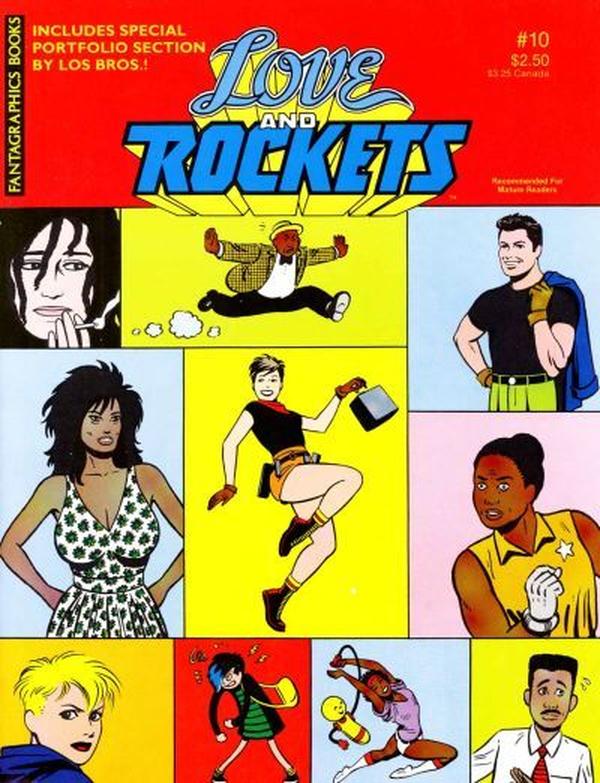
Hopey Glass
Hopey Glass is a sharp-tongued punk musician who grew up in the Southern California underground scene, forming a close, complicated bond with her best friend Maggie. She debuted in Jaime Hernandez's slice-of-life comic Love and Rockets, navigating music, relationships, and working-class life.
Few characters in alternative comics feel as genuinely alive as Hopey Glass, who burst onto the scene in the very first issue of Love and Rockets in 1981 — a Bronze Age debut that announced Jaime Hernandez as one of the most distinctive voices in the medium. Over more than four decades, she has remained a fixture across Love and Rockets, Love and Rockets: New Stories, and Penny Century, sharing the richly textured world of Fantagraphics' crown jewel with unforgettable company like Luba, Penny Century, Ray Dominguez, Terry Downe, and Izzy Ortiz. With four key-issue appearances to her name and 75 catalog appearances spanning all the way to 2023, Hopey is a testament to the staying power of Hernandez's humanist storytelling — a character who has grown, shifted, and endured in ways that few figures outside the mainstream superhero world ever get the chance to. If you've never spent time in her world, you're in for something genuinely special.
#1
Trivia
- Hopey's stories began within a sci-fi-inflected setup featuring her and Maggie as young queer women in the fictional town of Hoppers, before the series made a deliberate shift toward character-driven storytelling with far less genre machinery.blog.fantagraphics.com
- Hopey also became a landmark figure for unusually frank queer relationship storytelling well before such narratives were common in mainstream U.S. comics, anchored by a long-running on-again/off-again romance between her and Maggie.blog.fantagraphics.com
- Jaime Hernandez has written more of Hopey Glass's comics than any other writer in our catalog — 35 issues.
Top series
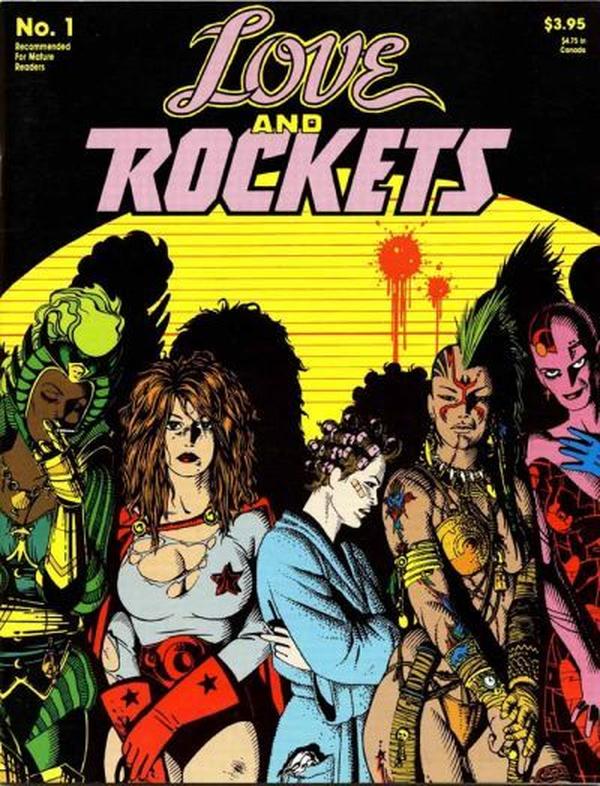
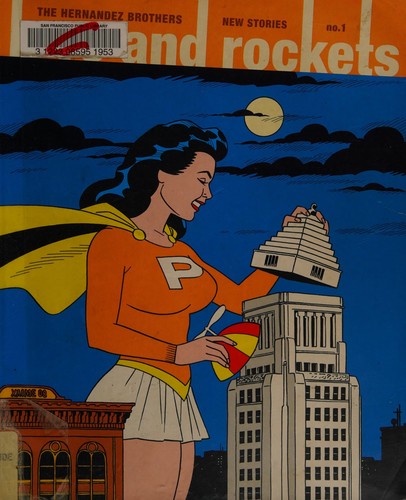
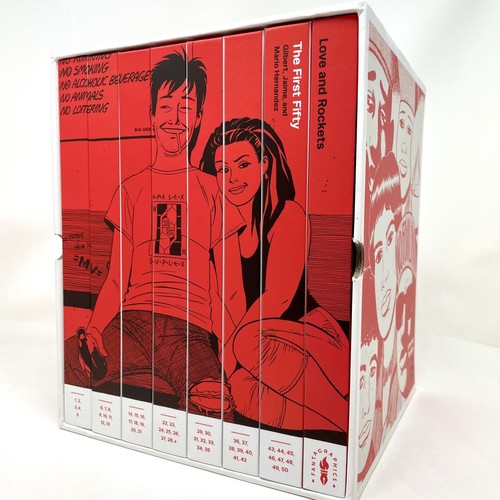
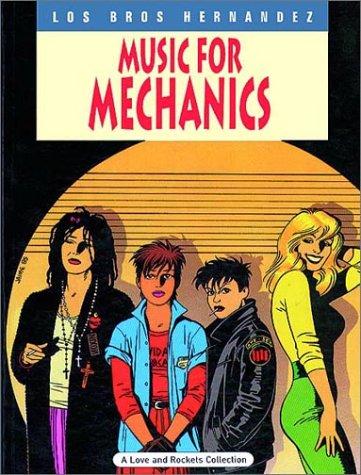
Covers through the years — 1982–2021
1982 ★ 1985 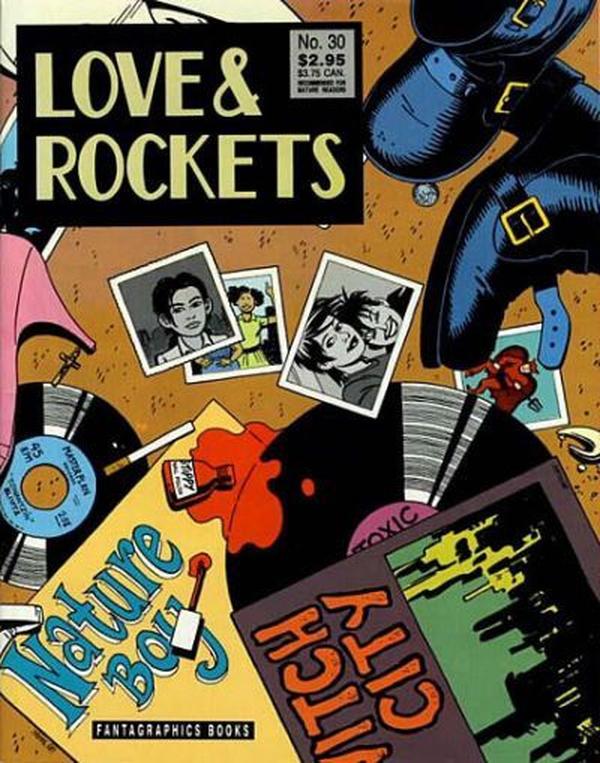 ★ 1989
 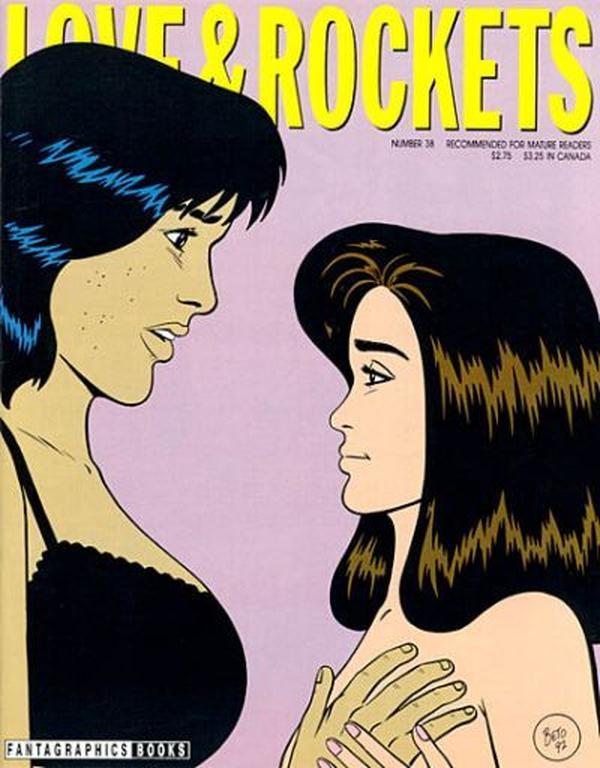 ★ 1992
 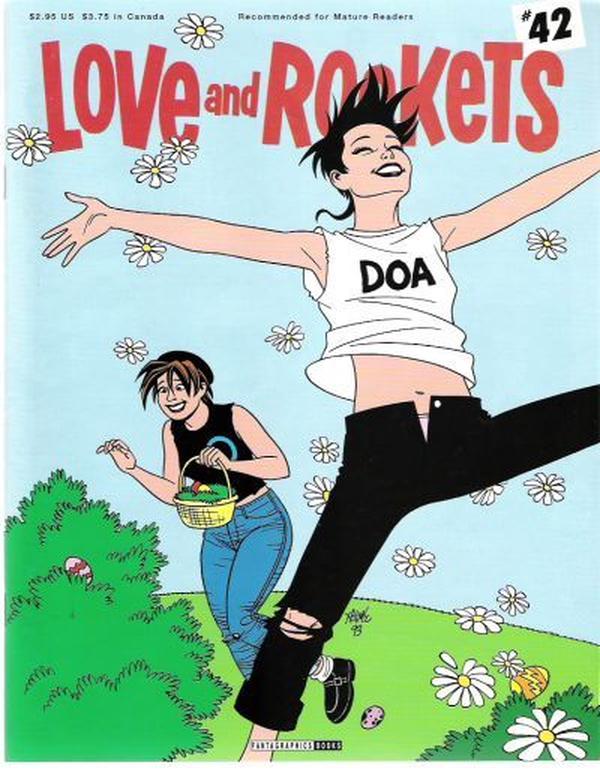 1993
1993 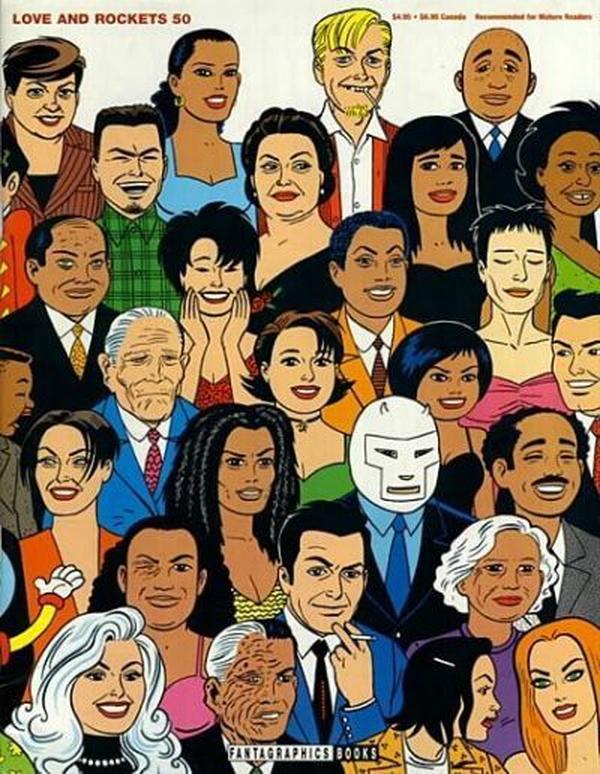 1996
1996 ![Love and Rockets Library #[3]](https://cdn.comicbooks.com/covers/openlibrary/1560978511.jpg) 2007
2007 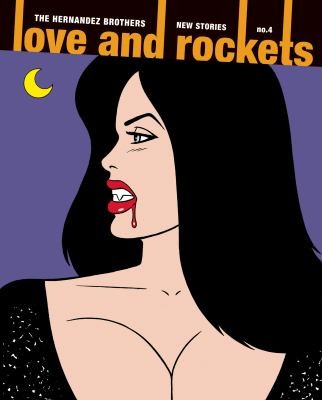 2011
2011 ![Madman 20th Anniversary Monster! #[nn]](https://cdn.comicbooks.com/covers/openlibrary/9781607064725.jpg) 2012
2012 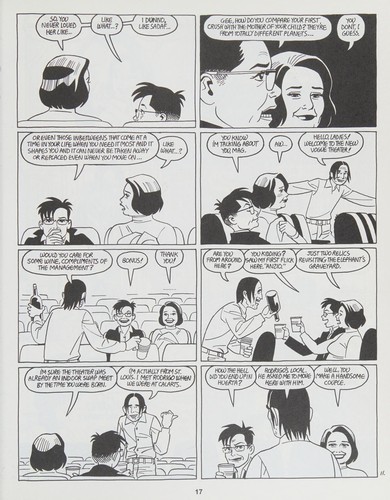 ★ 2015
 ![Is This How You See Me? (A Locas Story) #[nn]](https://cdn.comicbooks.com/covers/openlibrary/9781683961826.jpg) 2019
2019 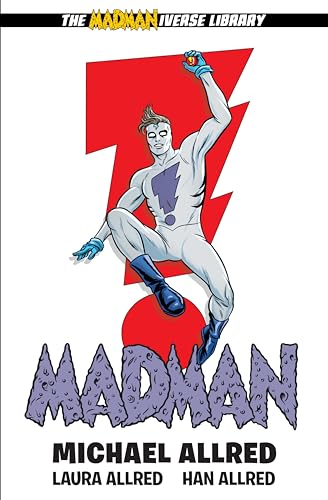 2021
2021