
Rudyard Kipling
1931–2019 · Comics debut 1908
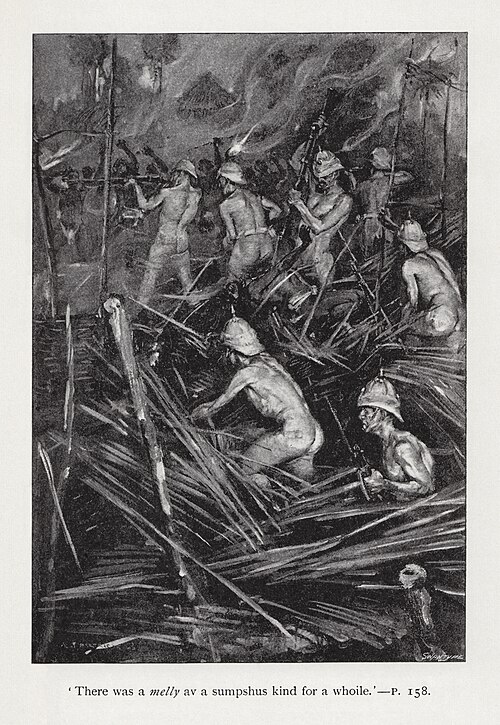
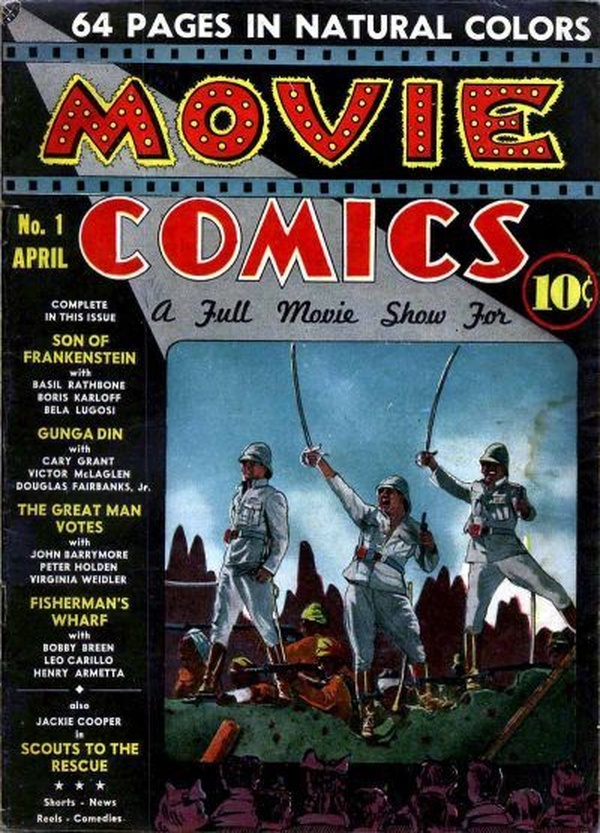
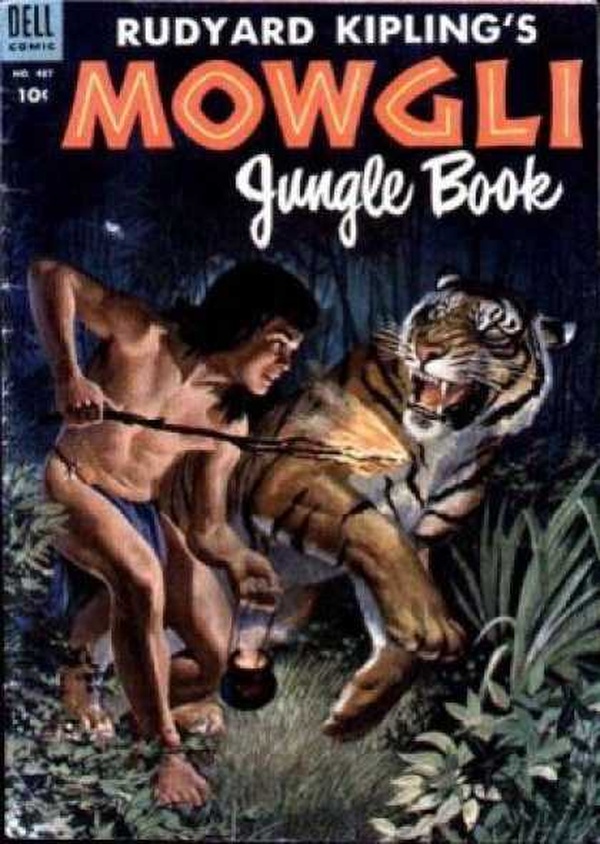
Rudyard Kipling (30 December 1865 – 18 January 1936) was an English writer born in British India, a setting that deeply shaped his work. He is best known for his fiction, including *The Jungle Book* (1894) and its sequel, *The Second Jungle Book* (1895), the novel *Kim* (1901), and the *Just So Stories* (1902). His short stories, such as "The Man Who Would Be King" (1888), and poems like "If—" (1910) and "Gunga Din" (1890), remain widely read. Kipling was a master of the short story, praised for a "versatile and luminous narrative gift," and his children's books are considered classics.
Kipling entered journalism and writing in India, later becoming one of the United Kingdom's most popular authors in the late 19th and early 20th centuries. He was the first English-language recipient of the Nobel Prize in Literature in 1907, at age 41 the youngest winner to date. He declined both the Poet Laureateship and a knighthood. After his death, his ashes were placed in Poets' Corner at Westminster Abbey.
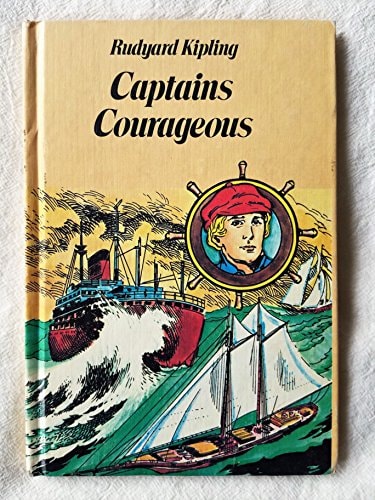
His legacy is complex; views on his work have shifted with changing political and social climates. While his association with the British Empire has made him a controversial figure, critics increasingly recognize his extraordinary narrative gifts and his role as an insightful interpreter of imperial experience. Kipling is credited as a writer on 26 comic book issues, primarily through adaptations for series like *Classics Illustrated* and *Albi dell'Avventura*.
Known for

![Jungle Book Stories #[nn]](https://img.comicbooks.com/covers/openlibrary/1561631523.jpg)
![Berättelser ur Djungelboken #[nn]](https://img.comicbooks.com/covers/isbndb/9197320315.jpg)
Shop Rudyard Kipling's comics
✦ Manage this page Represent Rudyard Kipling's estate? Claim this page.
Full bibliography · 28 series
Original biography and editorial content © ComicBooks.com LLC. Information drawn in part from Wikipedia and the Grand Comics Database. Portrait by Art by Archibald Standish Hartrick (1864–1950) Engraving by Swantype (an automated process created by Joseph Wilson Swan / Wikimedia Commons (Public domain). Cover thumbnails shown under fair use, each linking to its issue.