
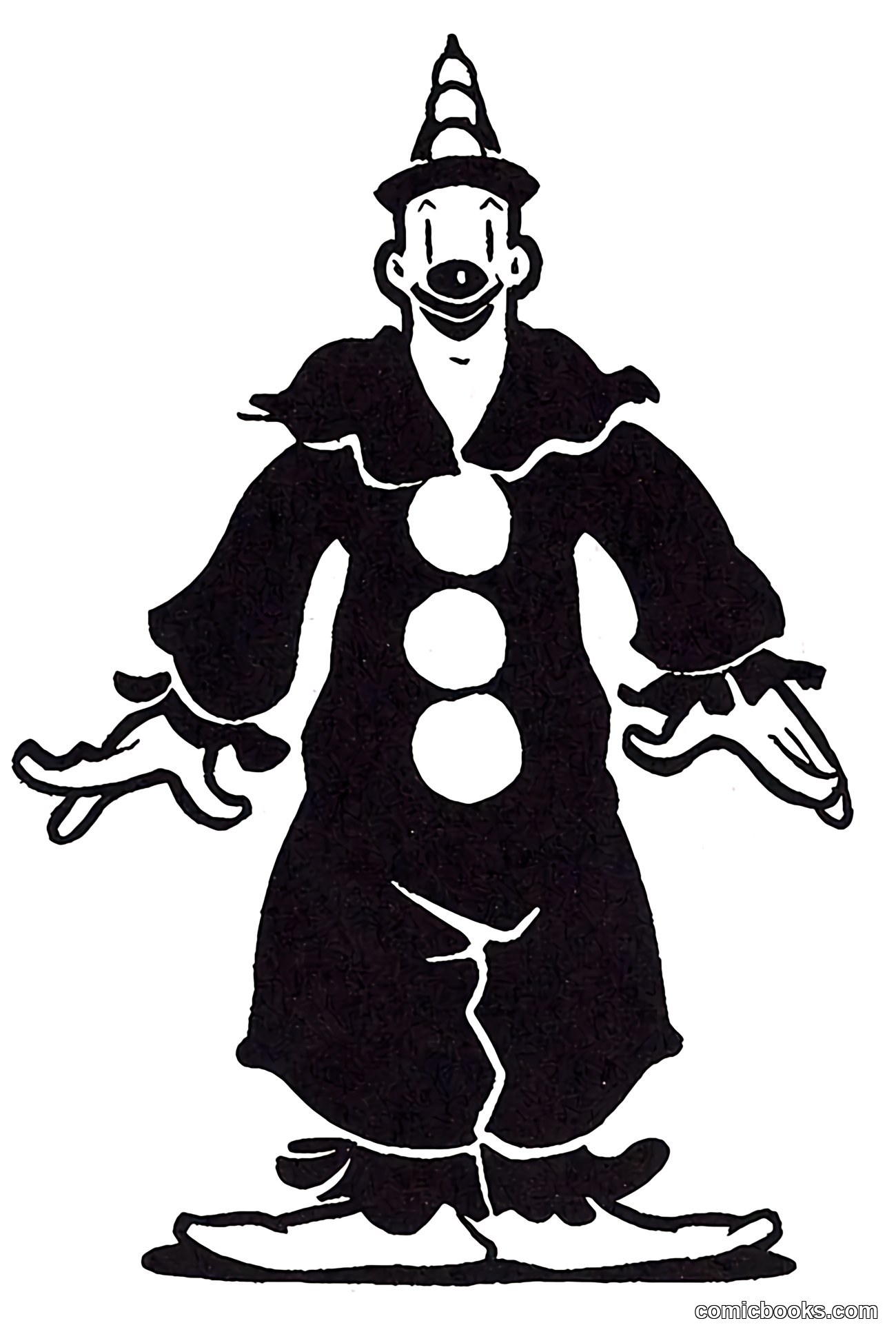
With Out of the Inkwell, Max Fleischer built a series around a delightful conceit: a cartoon clown, later known as Koko, who emerges from an inkwell to interact with the live-action animator at his drawing board. The mixing of drawn character and filmed reality gave the films a witty, self-aware charm, playing with the very boundary between the cartoonist's hand and his creation.
Fleischer's work is inseparable from the rotoscope, a technique he pioneered and patented in which animators trace over live-action footage frame by frame. Rotoscoping allowed Koko to move with a smooth, lifelike fluidity that set Fleischer's animation apart, and it became a foundational tool of the industry. Koko the Clown grew into an enduring character and helped establish the Fleischer studio as a major creative force in early animation. In these films we can see the same impulse that drove McCay—the desire to make a drawing move convincingly—advanced by clever technology and a distinctly urban, playful sensibility that would define Fleischer cartoons for decades.
About this artifact
- Creator
- Max Fleischer
- Date
- 1919
- Rights
- Public domain — free to view, share, and reuse.
- Restoration
- Digitally restored and hosted by ComicBooks.com · high-resolution version available.
Part of our mission to preserve and restore the public-domain heritage of the medium.