comicbooks.com Join Free
HomeScience Comics#2Read

★ comicbooks.com Reading Room

Science Comics #2 (1946)

Ace Magazines [1940s-1950s] · 1946 · 36 pages

Free to read · restored edition by comicbooks.com · Issue details →
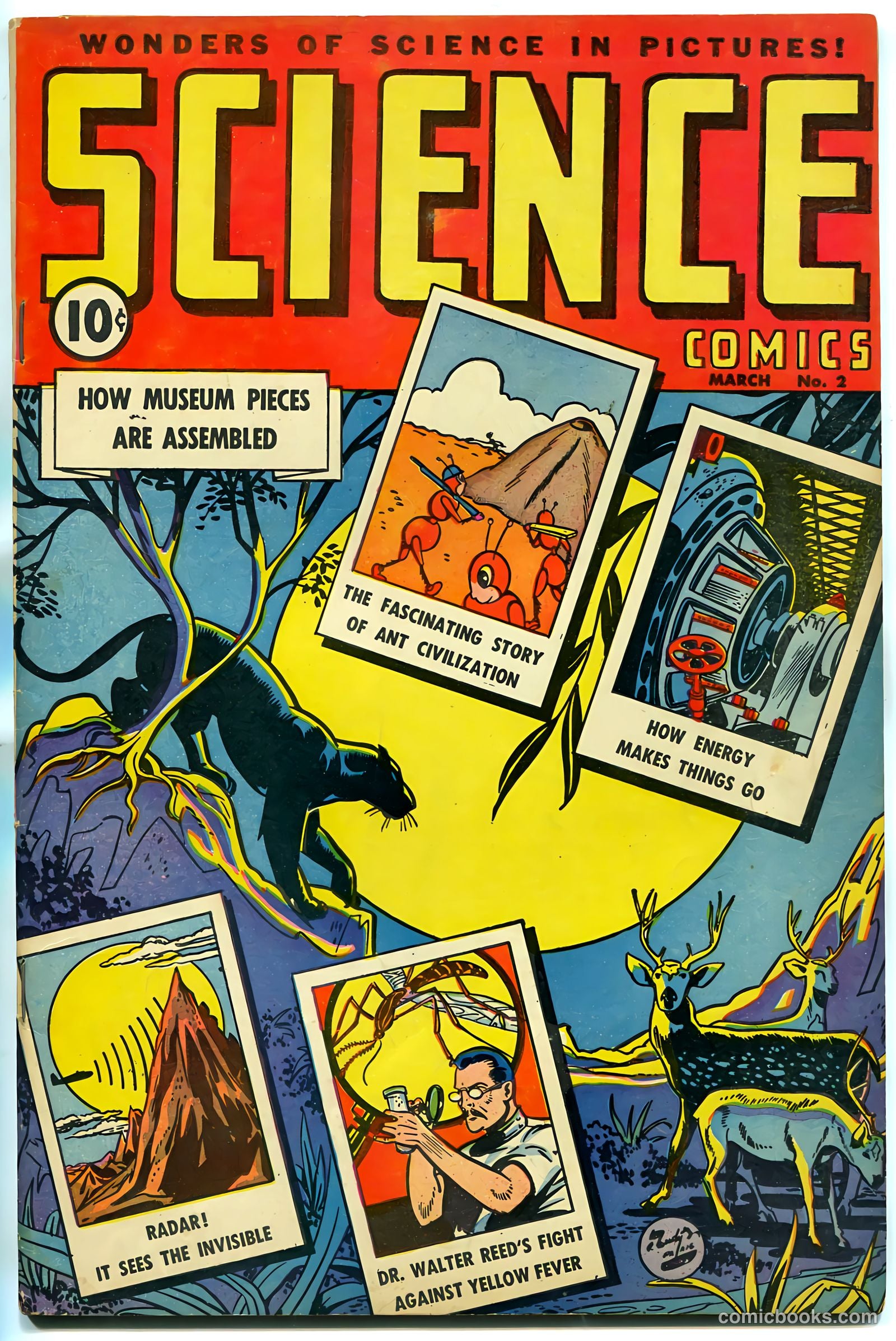
Science Comics #2 (1946) — page 1 of 36
1 / 36
Science Comics #2 (1946) — page 2 of 36
2 / 36
Science Comics #2 (1946) — page 3 of 36
3 / 36
Science Comics #2 (1946) — page 4 of 36
4 / 36
Science Comics #2 (1946) — page 5 of 36
5 / 36
Science Comics #2 (1946) — page 6 of 36
6 / 36
Science Comics #2 (1946) — page 7 of 36
7 / 36
Science Comics #2 (1946) — page 8 of 36
8 / 36
Science Comics #2 (1946) — page 9 of 36
9 / 36
Science Comics #2 (1946) — page 10 of 36
10 / 36
Science Comics #2 (1946) — page 11 of 36
11 / 36
Science Comics #2 (1946) — page 12 of 36
12 / 36
Science Comics #2 (1946) — page 13 of 36
13 / 36
Science Comics #2 (1946) — page 14 of 36
14 / 36
Science Comics #2 (1946) — page 15 of 36
15 / 36
Science Comics #2 (1946) — page 16 of 36
16 / 36
Science Comics #2 (1946) — page 17 of 36
17 / 36
Science Comics #2 (1946) — page 18 of 36
18 / 36
Science Comics #2 (1946) — page 19 of 36
19 / 36
Science Comics #2 (1946) — page 20 of 36
20 / 36
Science Comics #2 (1946) — page 21 of 36
21 / 36
Science Comics #2 (1946) — page 22 of 36
22 / 36
Science Comics #2 (1946) — page 23 of 36
23 / 36
Science Comics #2 (1946) — page 24 of 36
24 / 36
Science Comics #2 (1946) — page 25 of 36
25 / 36
Science Comics #2 (1946) — page 26 of 36
26 / 36
Science Comics #2 (1946) — page 27 of 36
27 / 36
Science Comics #2 (1946) — page 28 of 36
28 / 36
Science Comics #2 (1946) — page 29 of 36
29 / 36
Science Comics #2 (1946) — page 30 of 36
30 / 36
Science Comics #2 (1946) — page 31 of 36
31 / 36
Science Comics #2 (1946) — page 32 of 36
32 / 36
Science Comics #2 (1946) — page 33 of 36
33 / 36
Science Comics #2 (1946) — page 34 of 36
34 / 36
Science Comics #2 (1946) — page 35 of 36
35 / 36
Science Comics #2 (1946) — page 36 of 36
36 / 36
ContinueScience Comics #3 →
Contains 6 stories
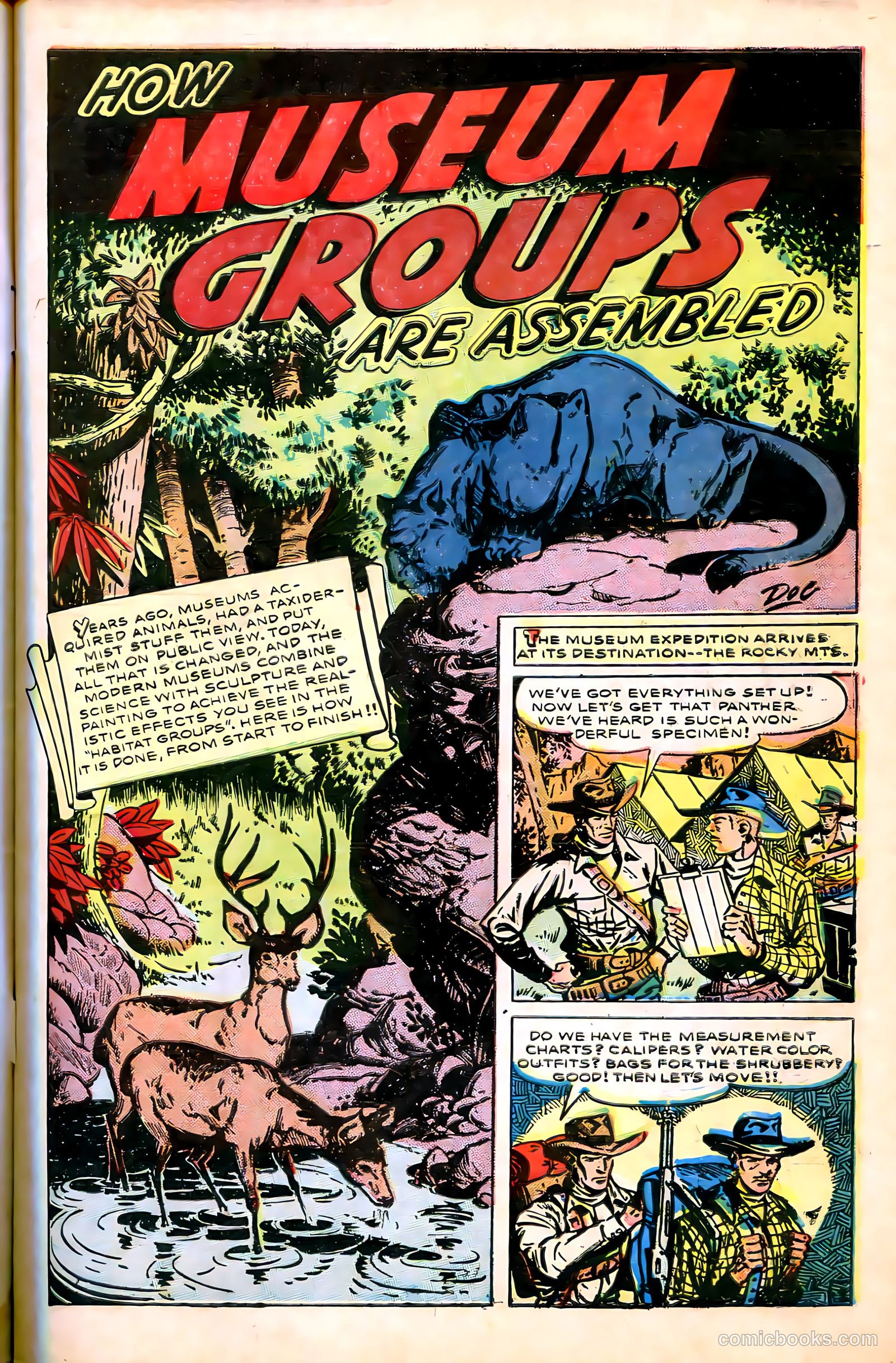
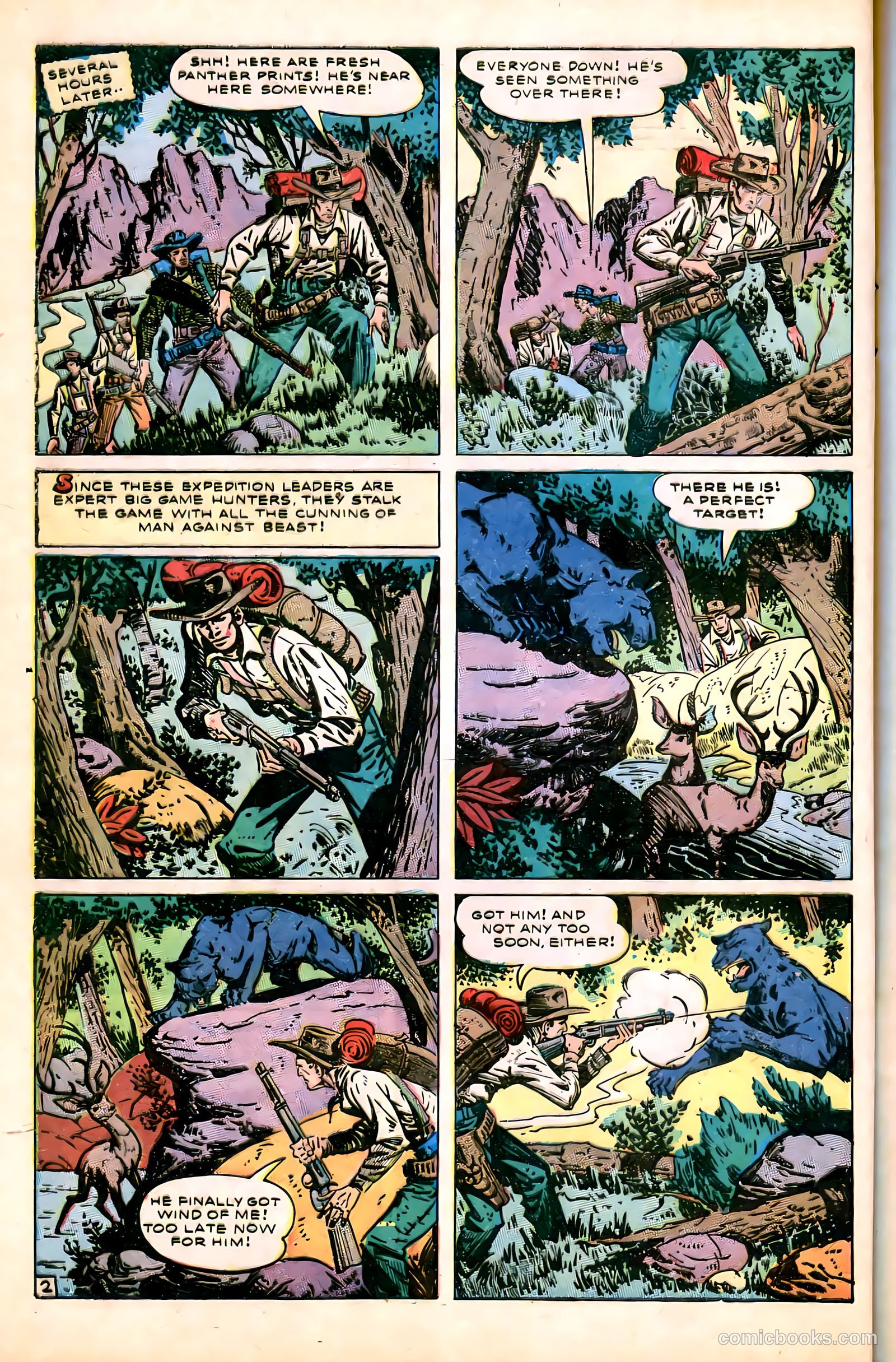
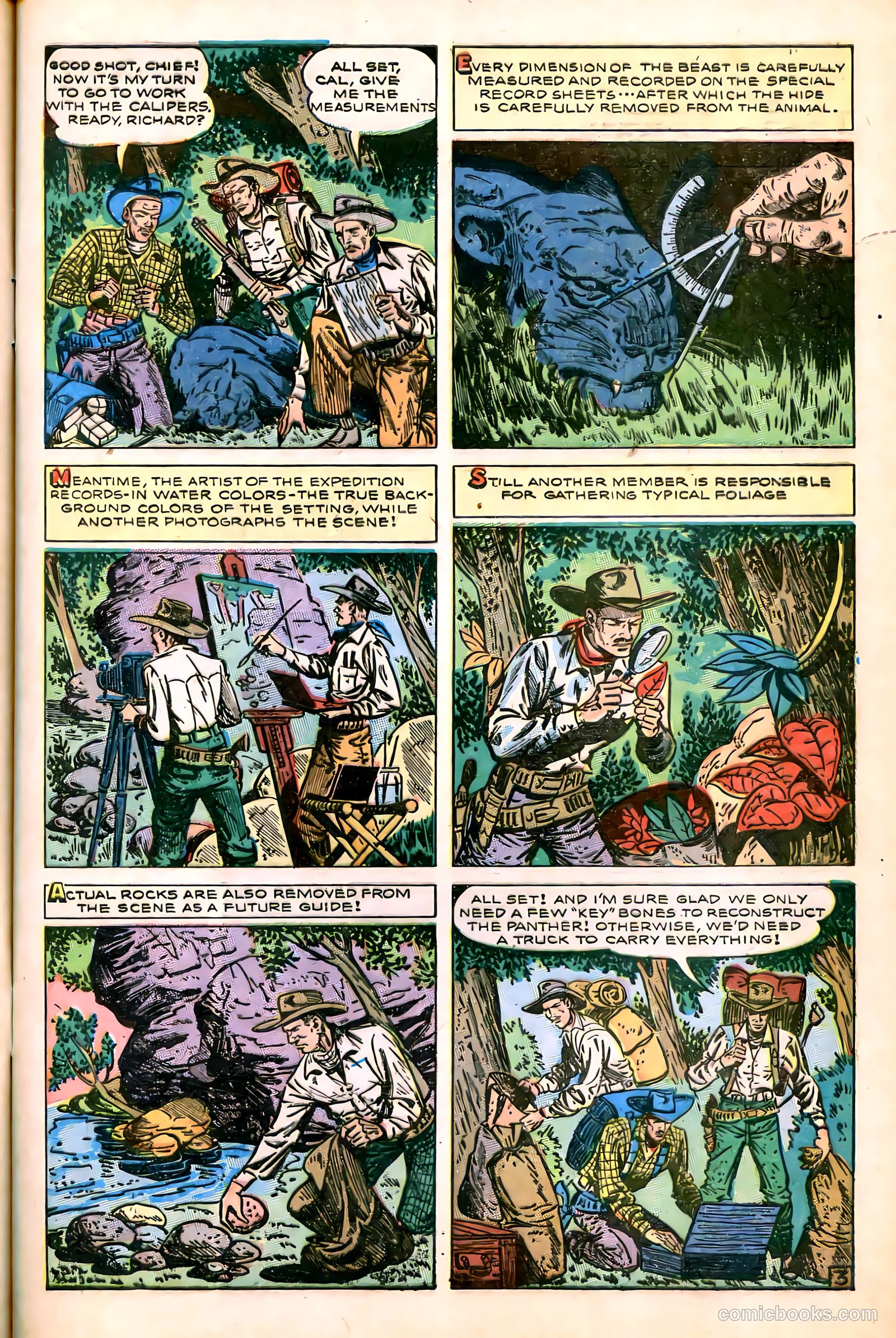
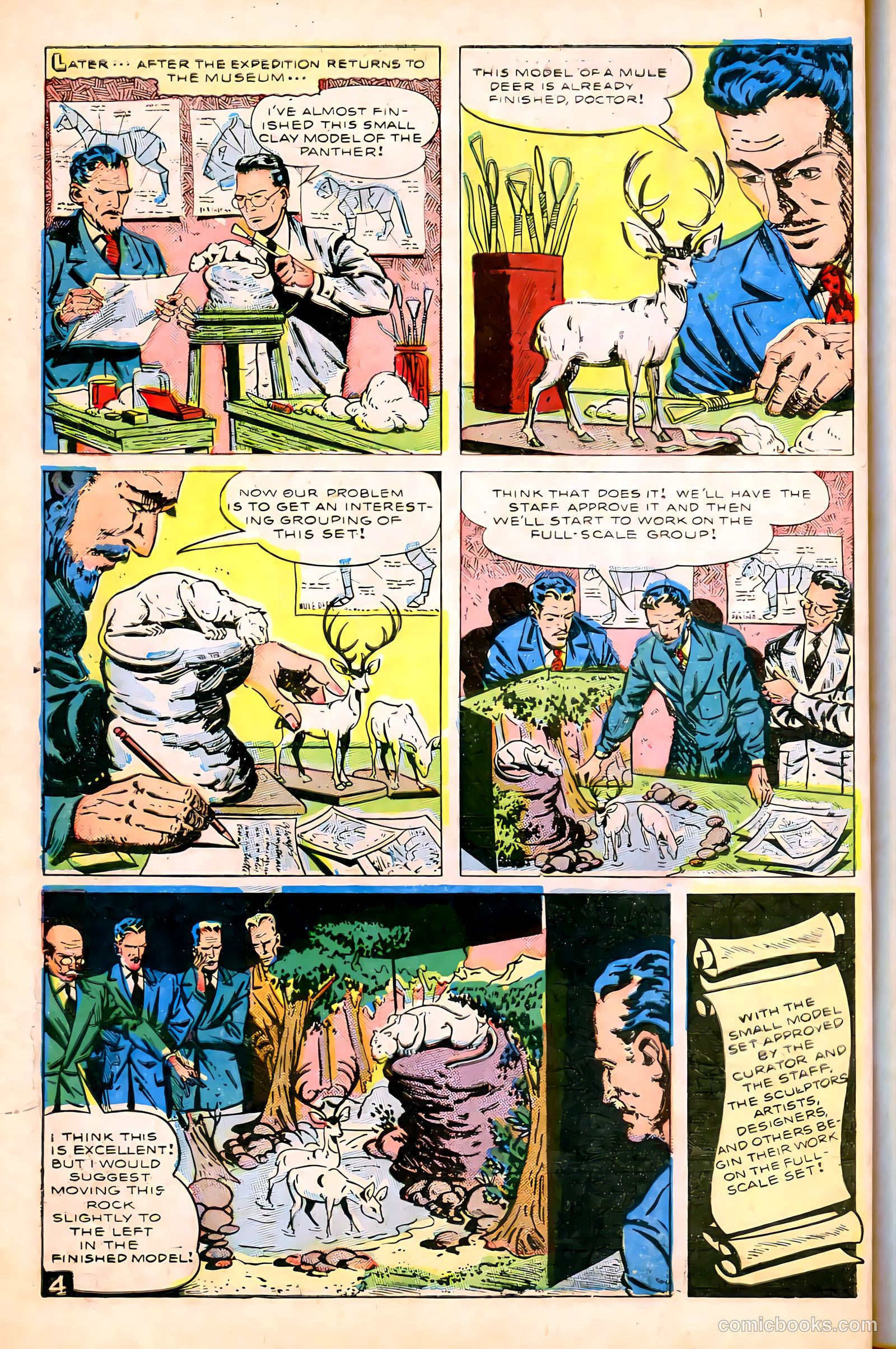
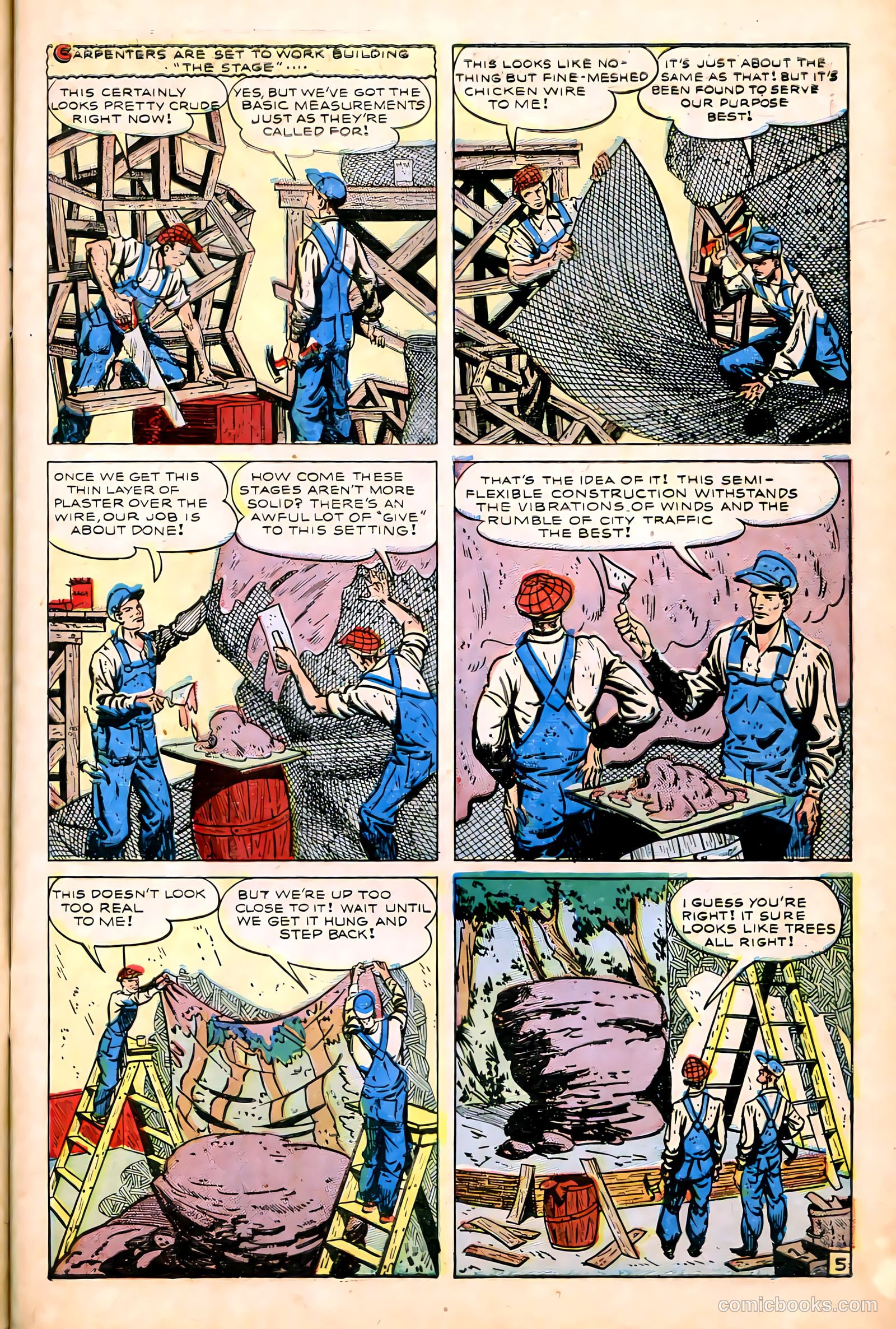
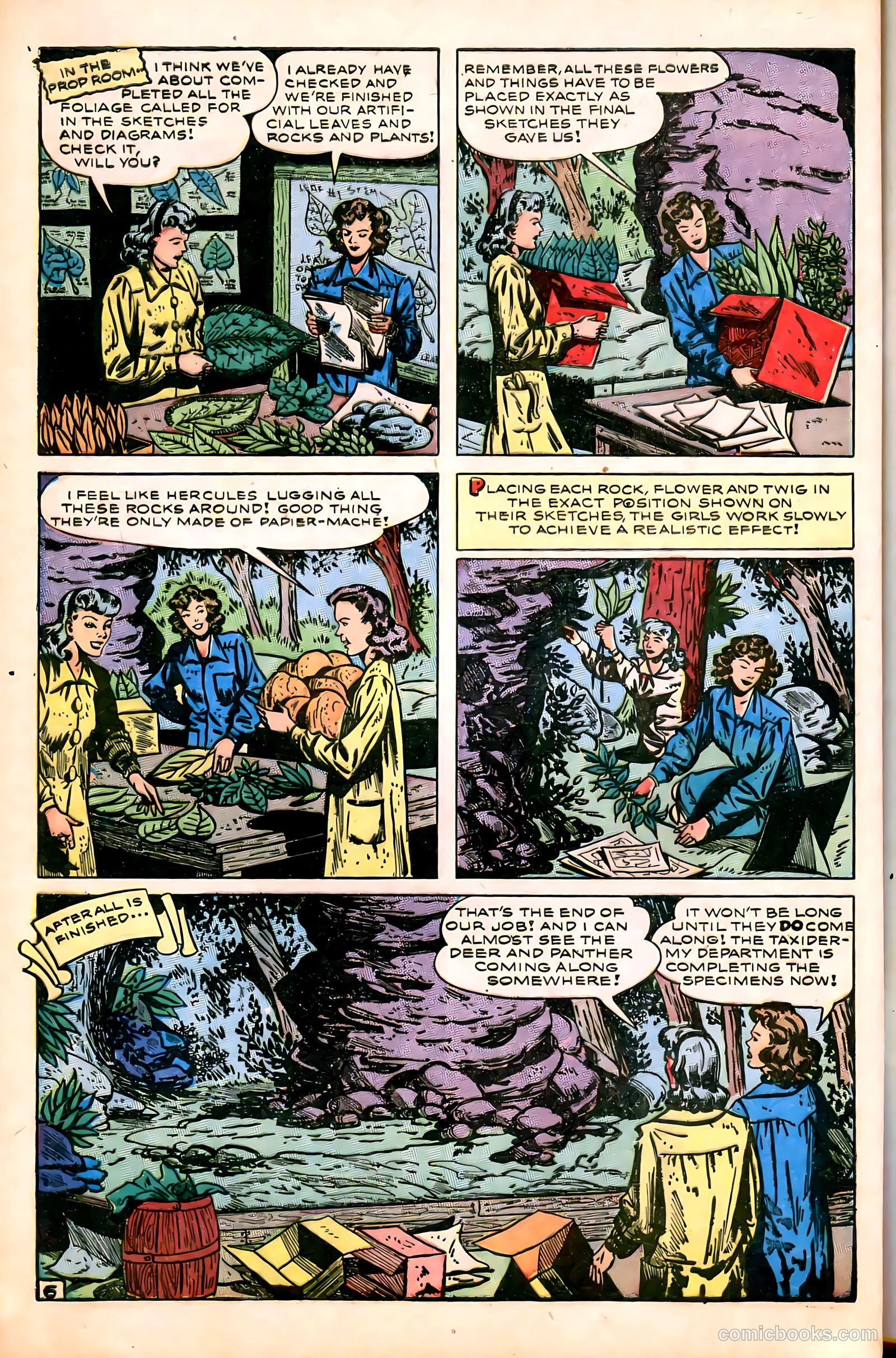
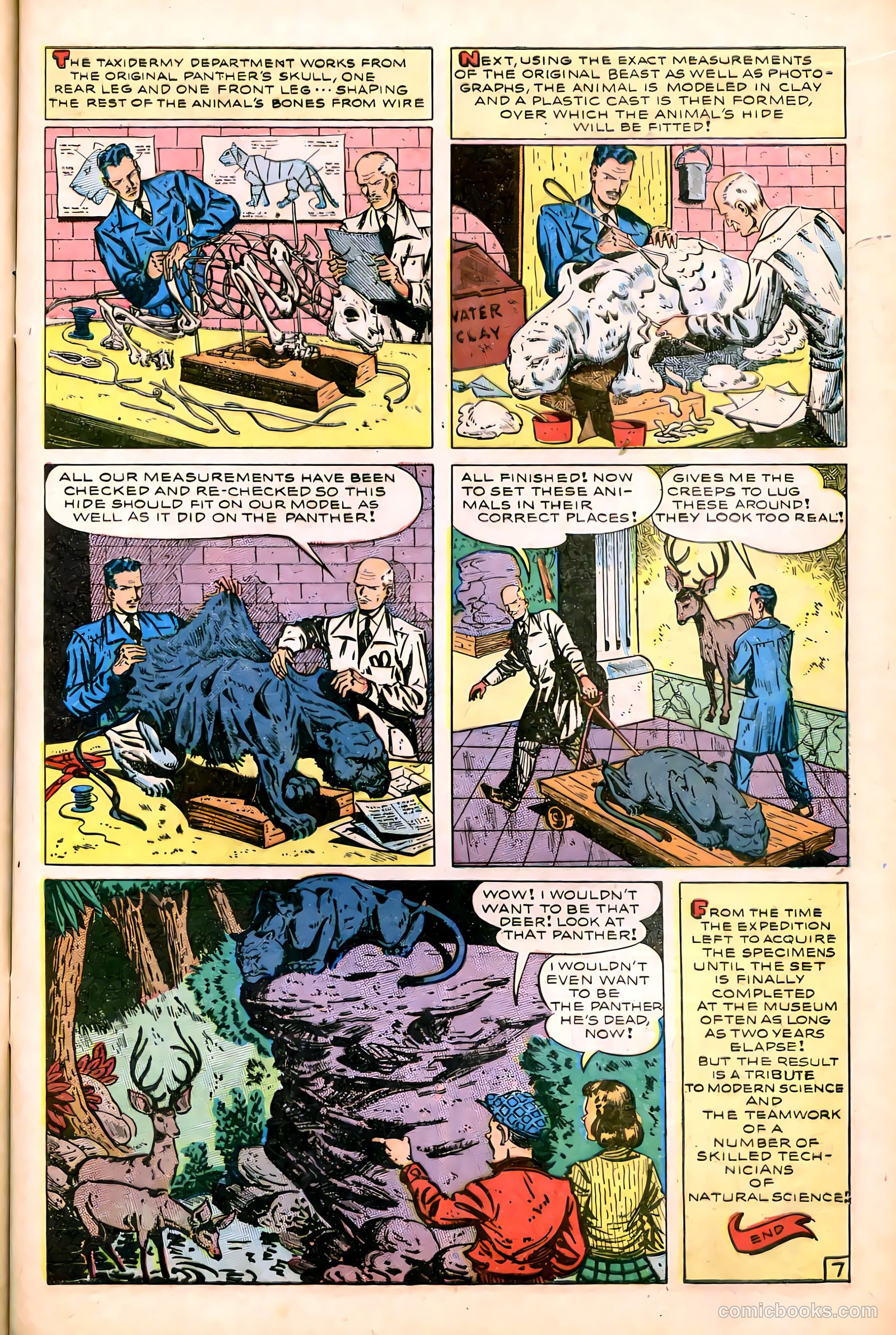
How Museum Groups Are Assembled
7 pp · non-fiction; math & science

Doc leads a museum expedition into the Rocky Mountains to hunt and document a panther, carefully measuring and recording every detail of the animal and its natural habitat. Back at the museum, sculptors, artists, carpenters, and taxidermists collaborate to transform those field notes, sketches, and specimens into a full-scale habitat group—a painstaking process that combines precise science with artistic craftsmanship to create realistic natural history displays. From expedition to finished exhibit, the entire project can take as long as two years, showcasing the hidden work behind the museum displays visitors see every day.

Radar: It Sees the Invisible
4 pp · non-fiction; math & science

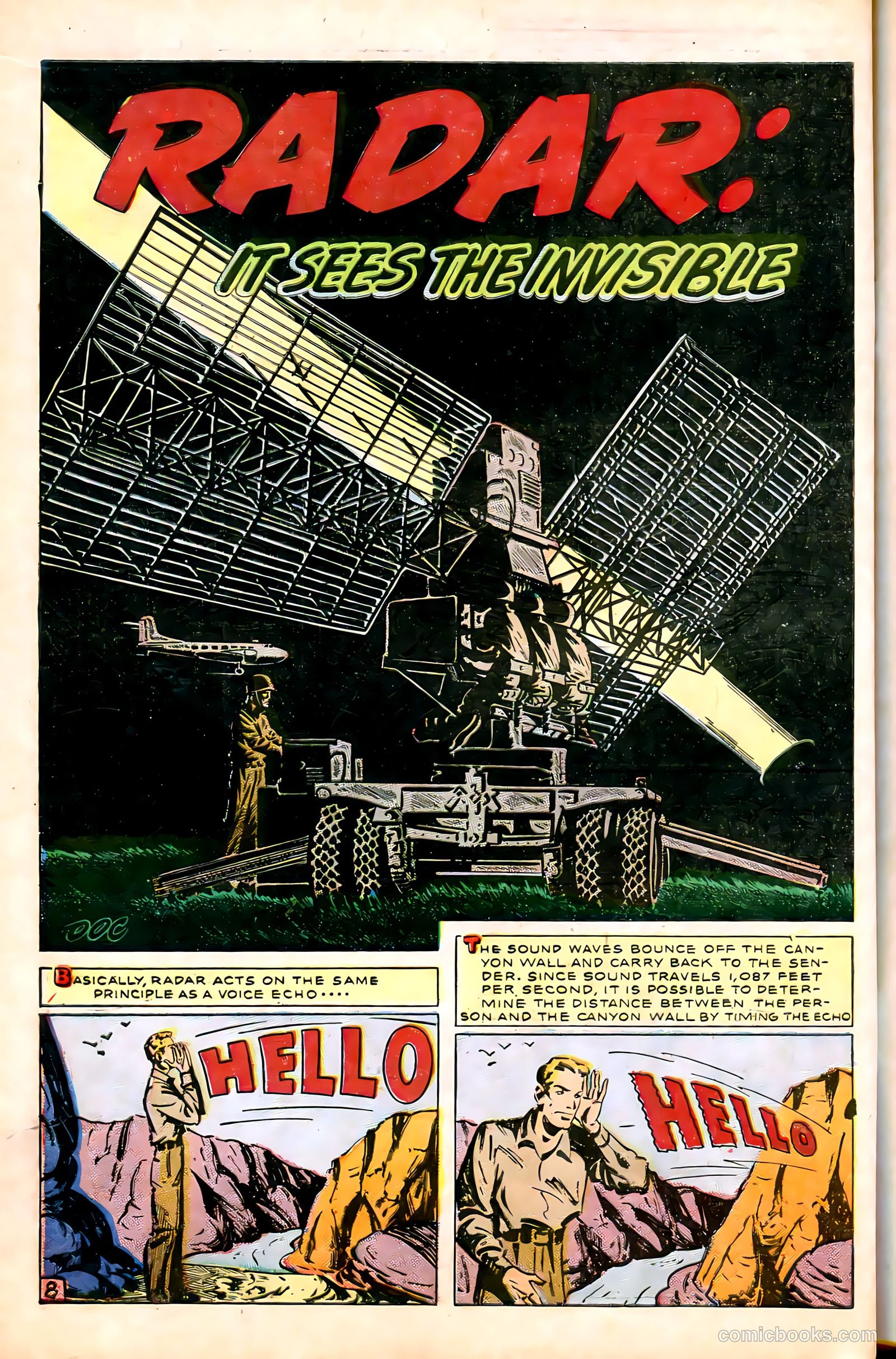
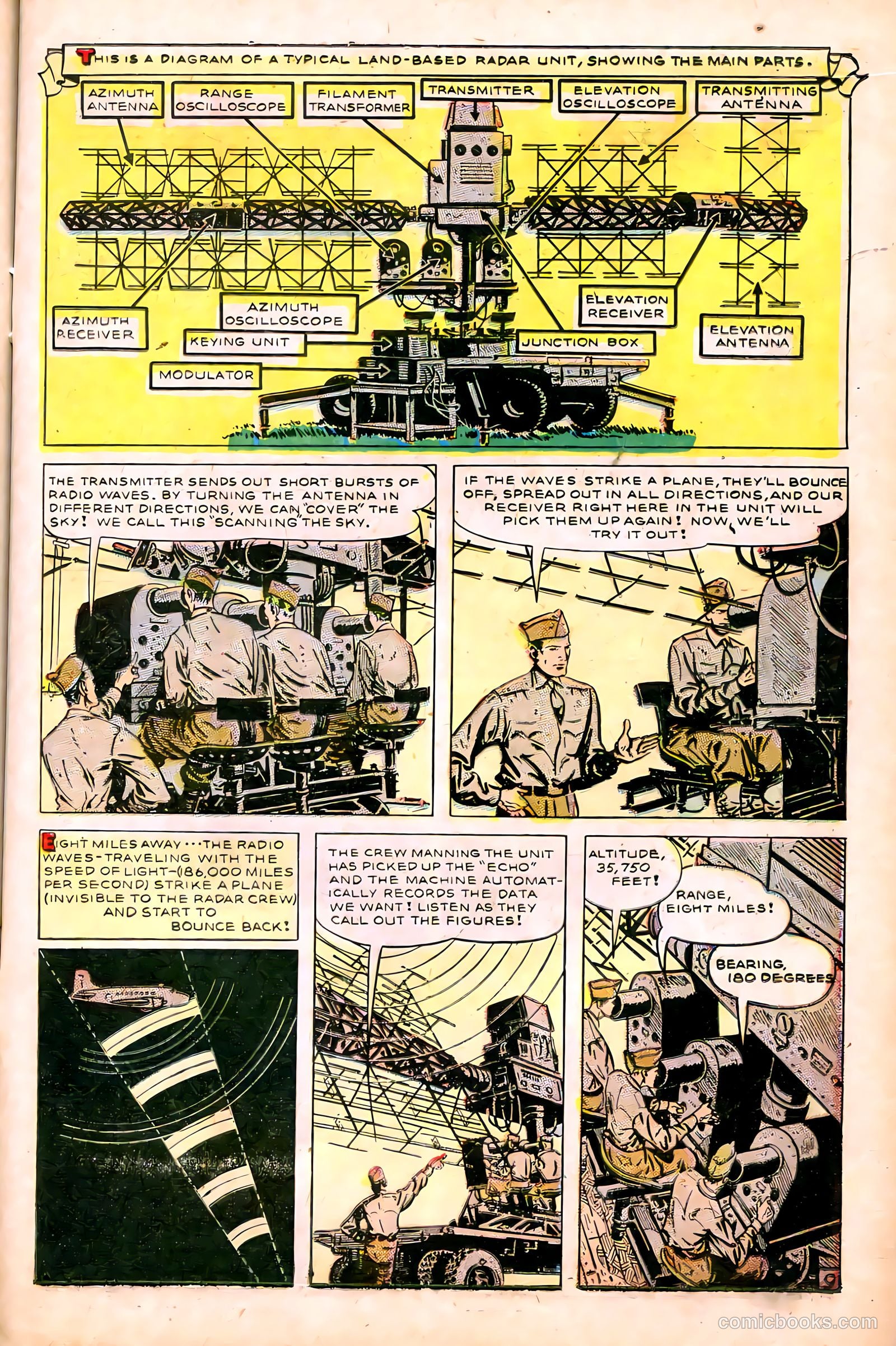
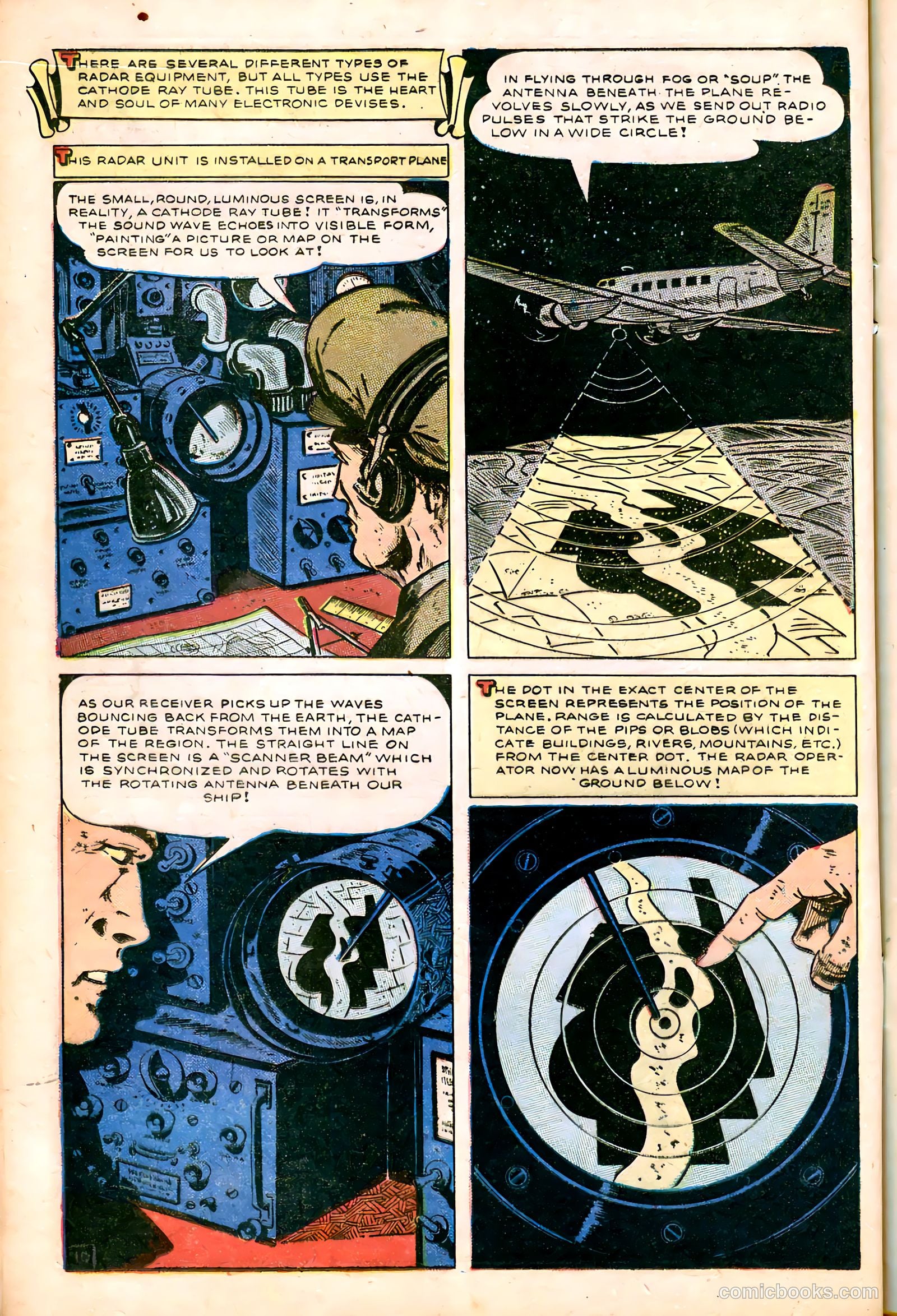
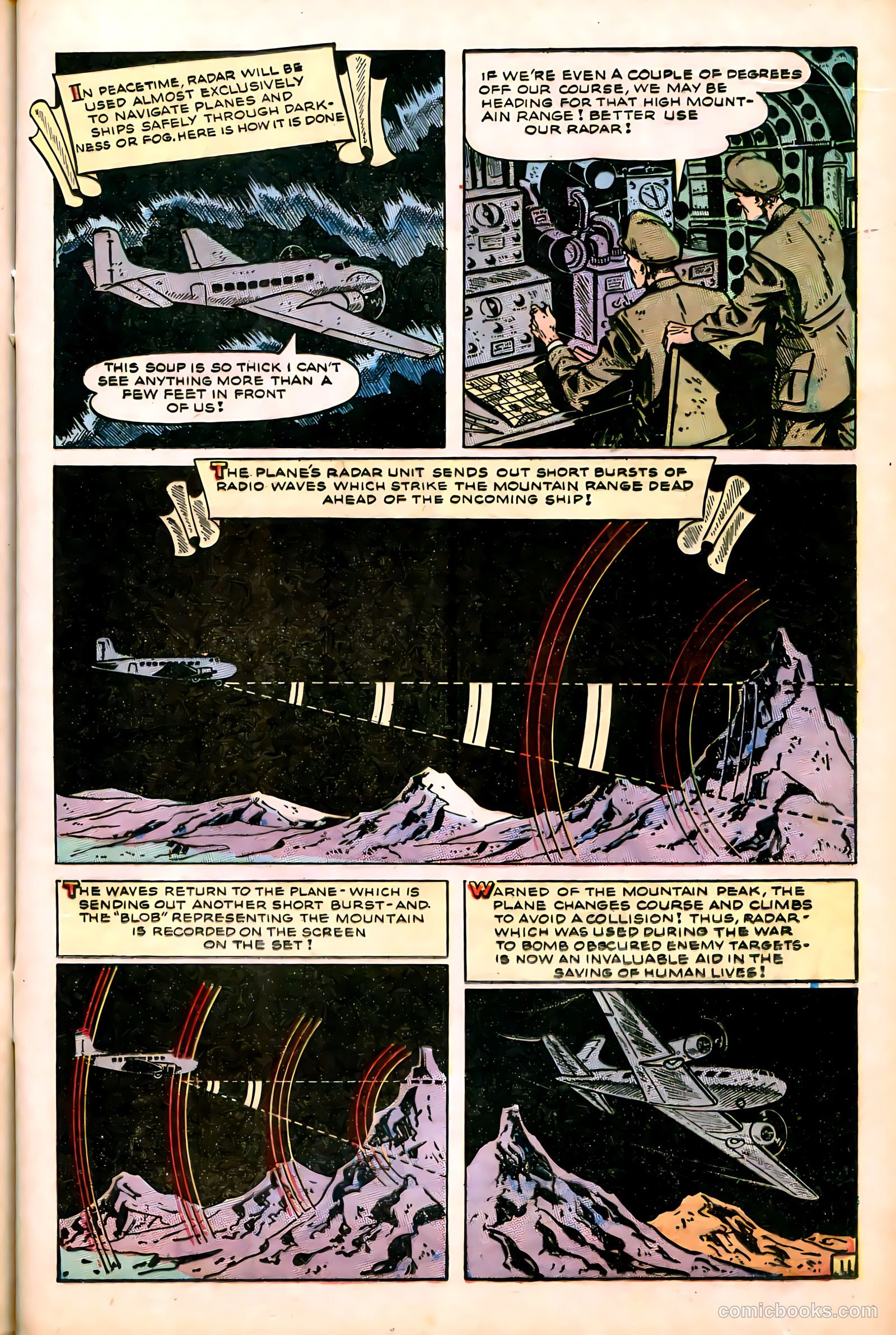
A character named Doc explains how radar works by comparing it to the principle of an echo, then walks through the key components of both land-based and airborne radar units and demonstrates how radio waves bounce off objects to reveal what's invisible to the human eye. The story illustrates practical applications—from detecting aircraft at distance to helping pilots navigate safely through fog—showing how this wartime technology is now saving lives in peacetime.

Ant Civilization
6 pp · non-fiction; nature

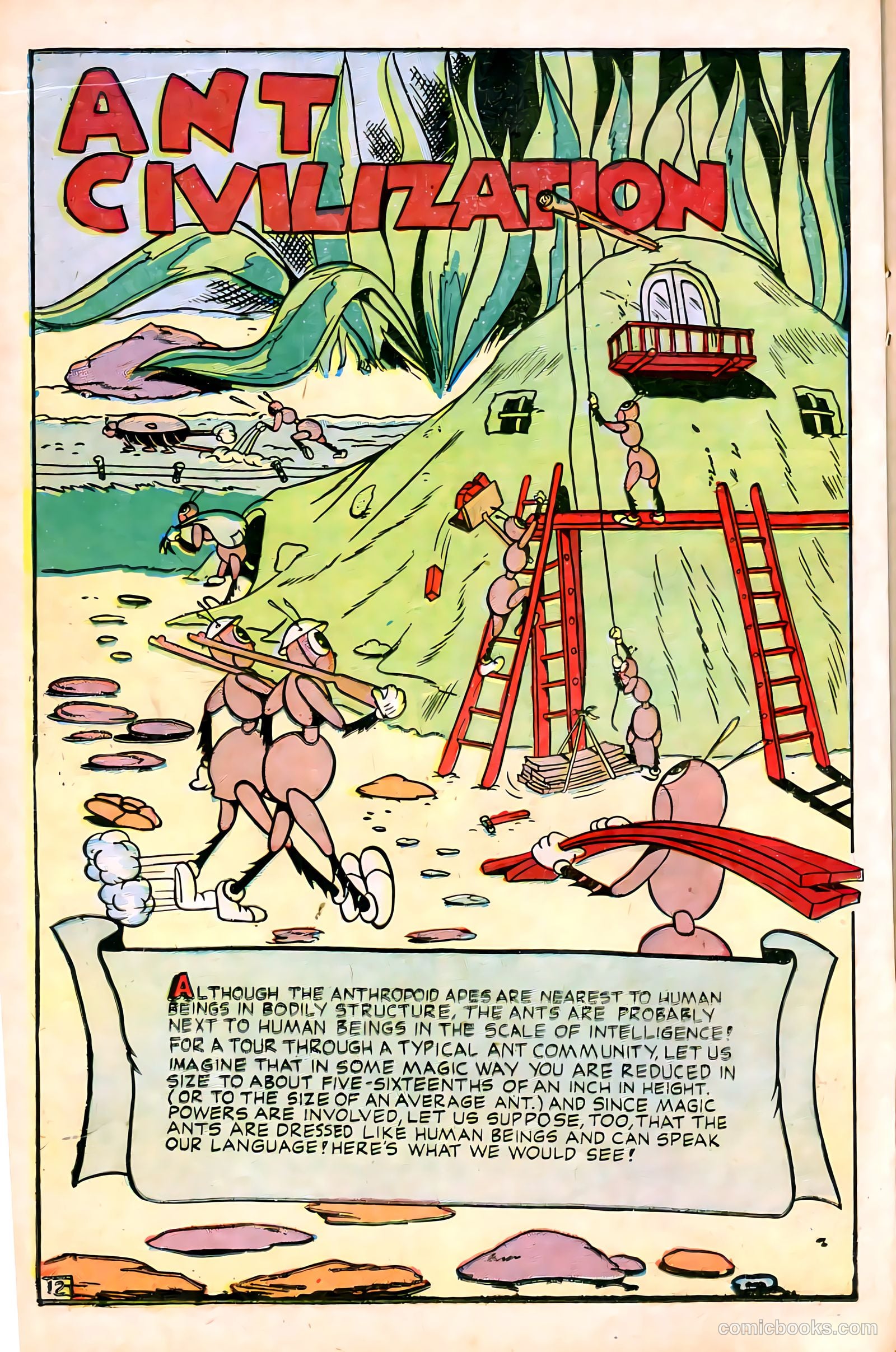
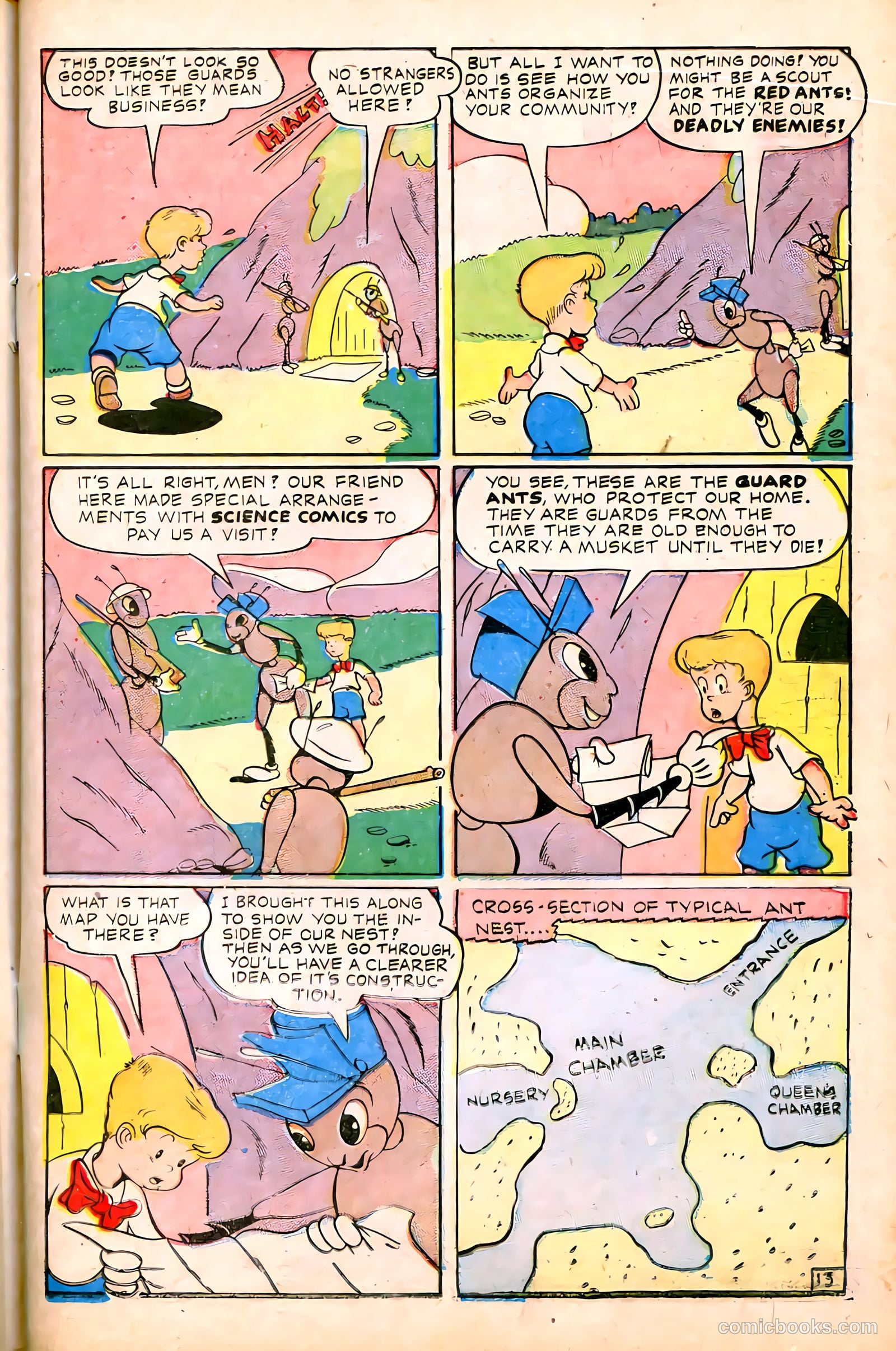
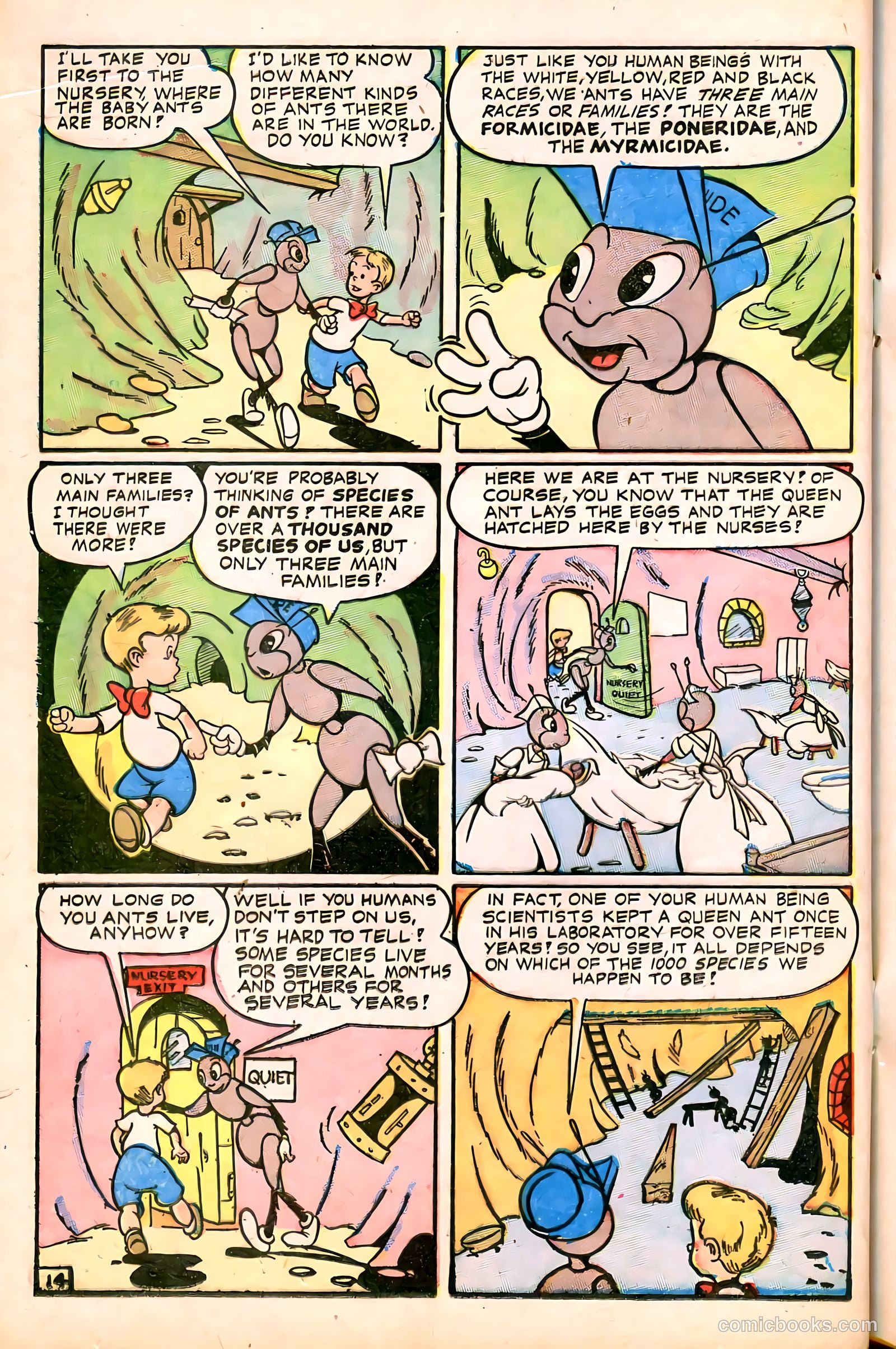
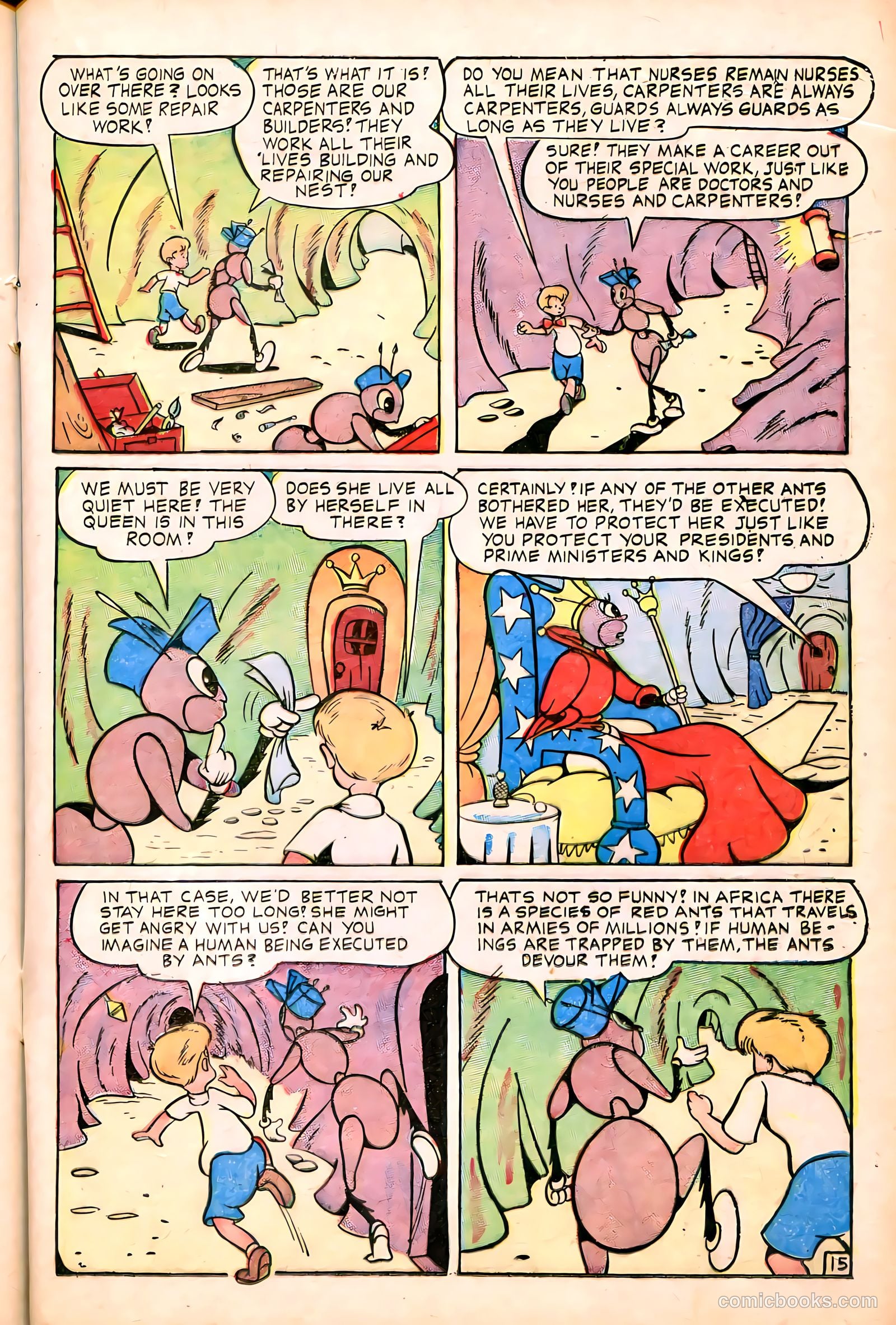
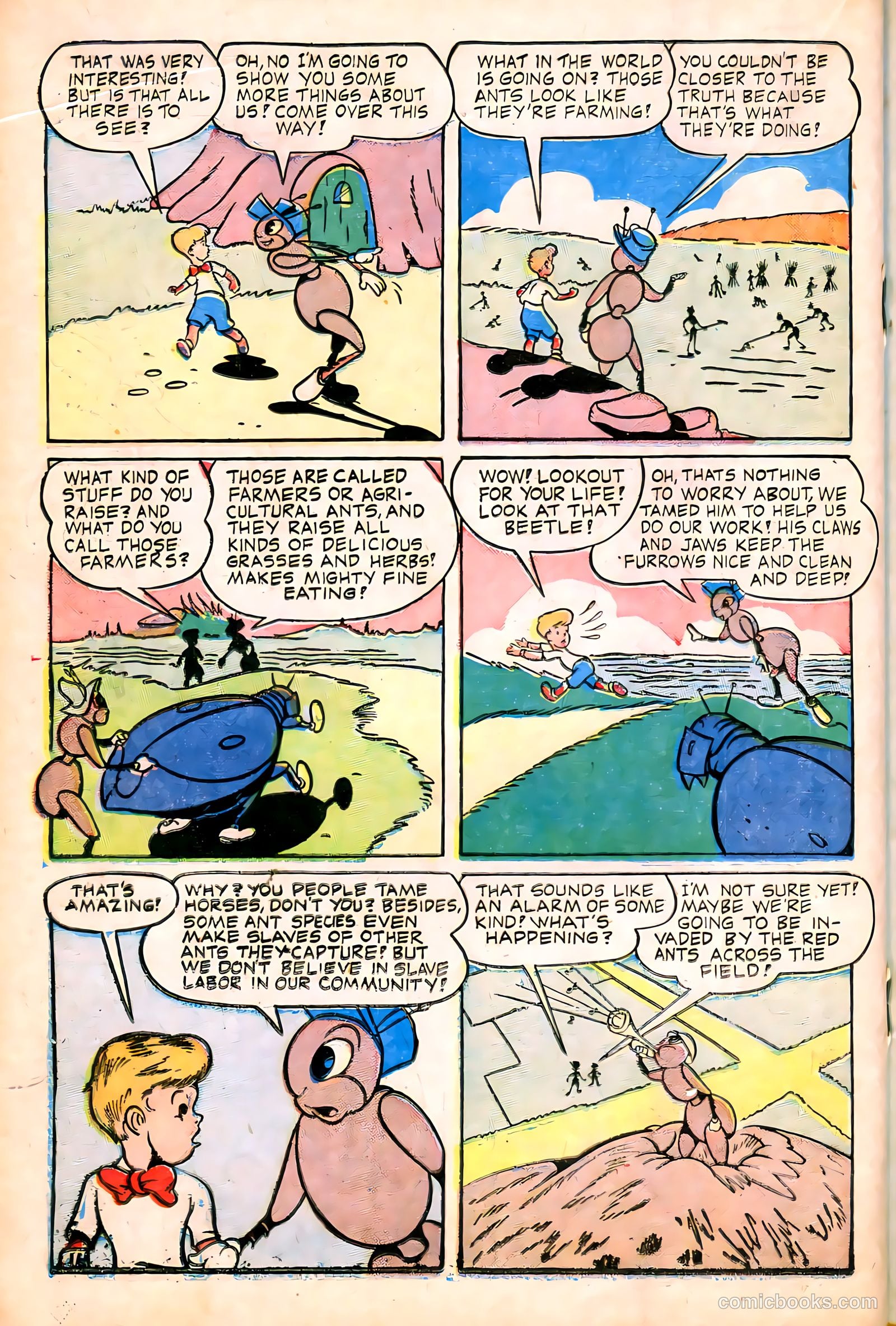
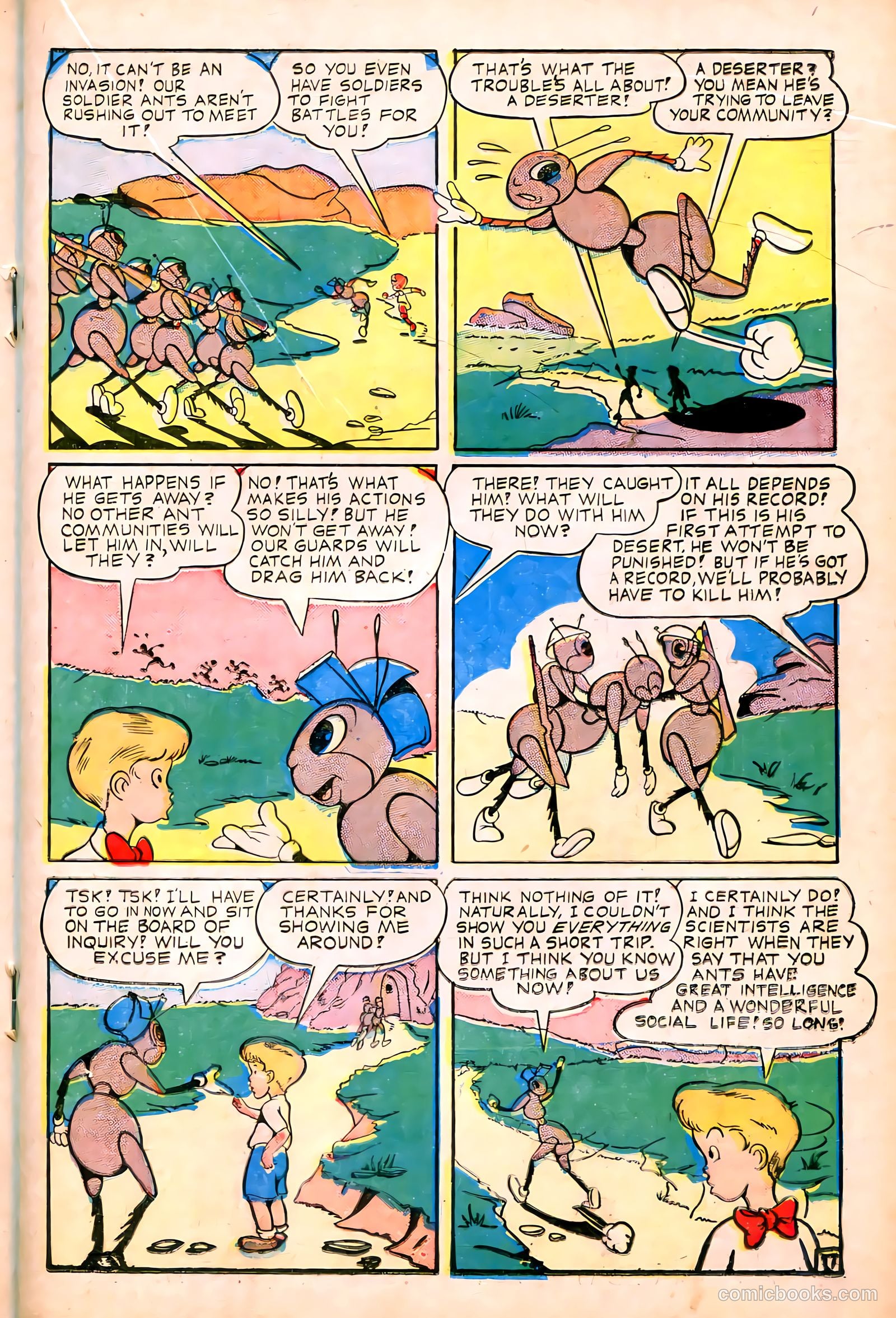
Imagine yourself shrunk down to ant size and given the ability to communicate with these remarkable insects—then take a guided tour through a bustling ant colony to witness their organized society firsthand. Your ant guide leads you through the nursery, the queen's chamber, construction crews, agricultural operations, and military ranks, revealing a civilization with distinct roles, hierarchies, and rules as complex as any human community. Discover how these creatures farm, domesticate other insects, maintain discipline, and face challenges like desertion, all while operating as one of nature's most intelligent species.

How Energy Makes Things Go
5 pp · non-fiction; math & science

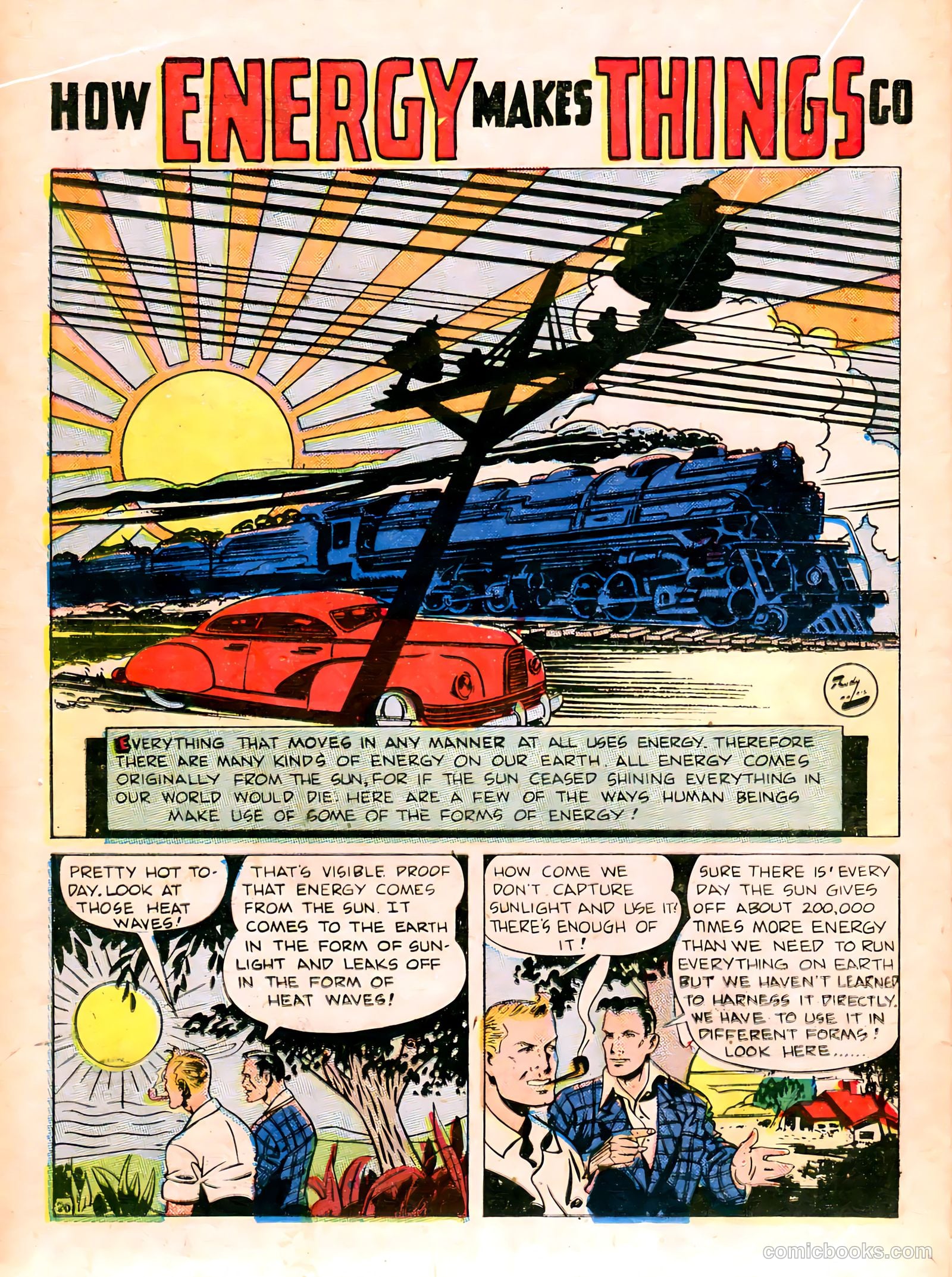
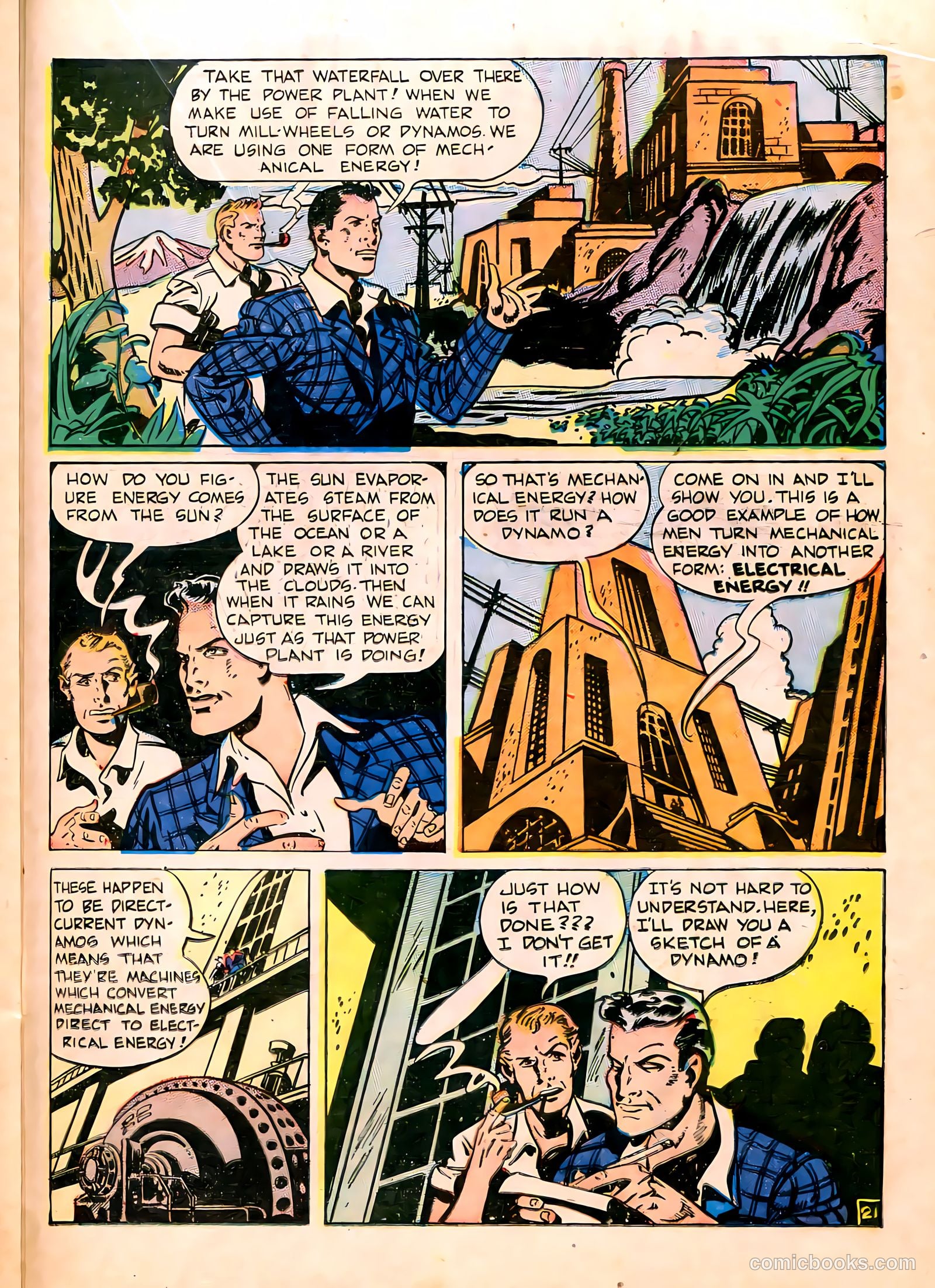
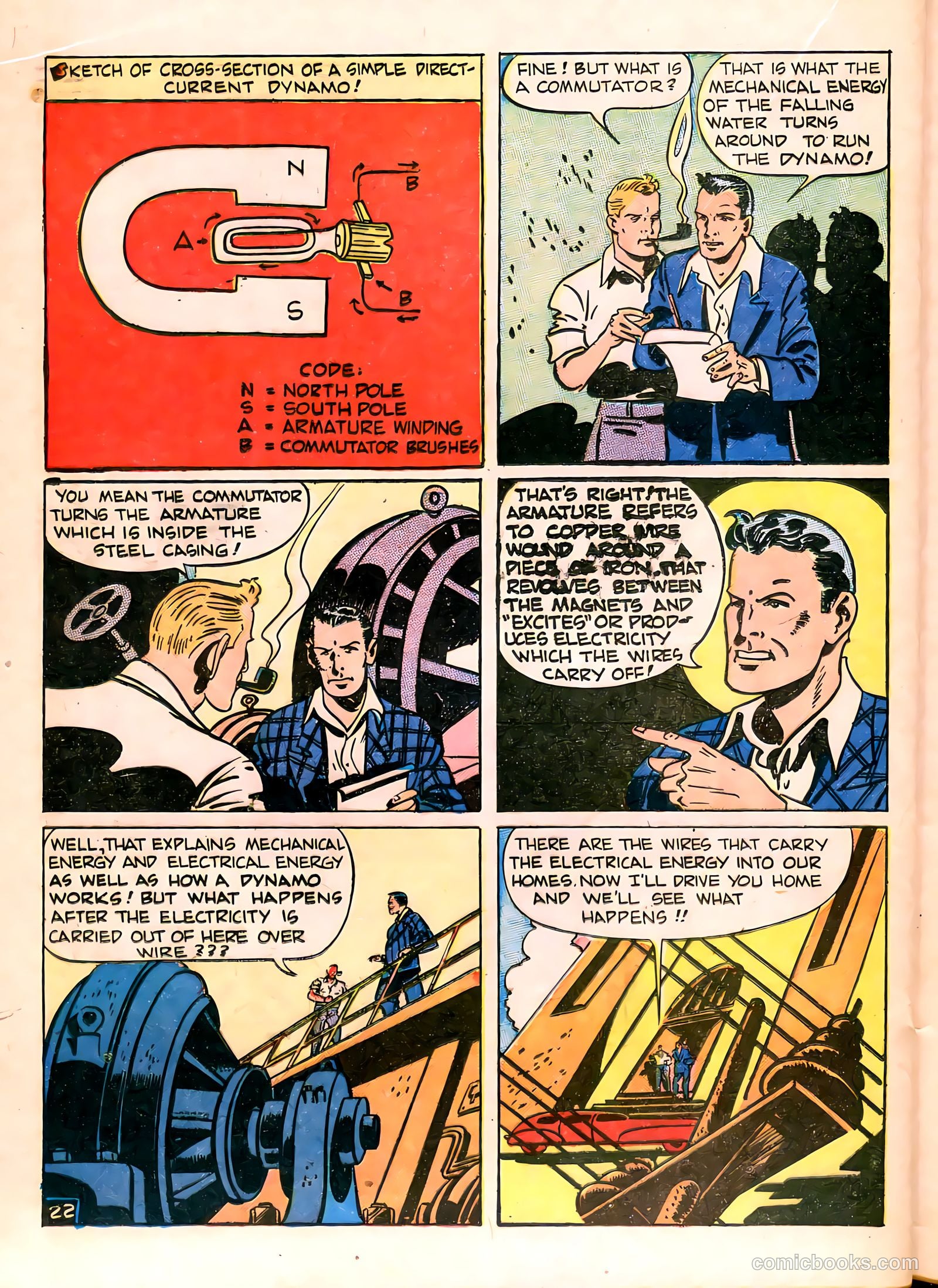
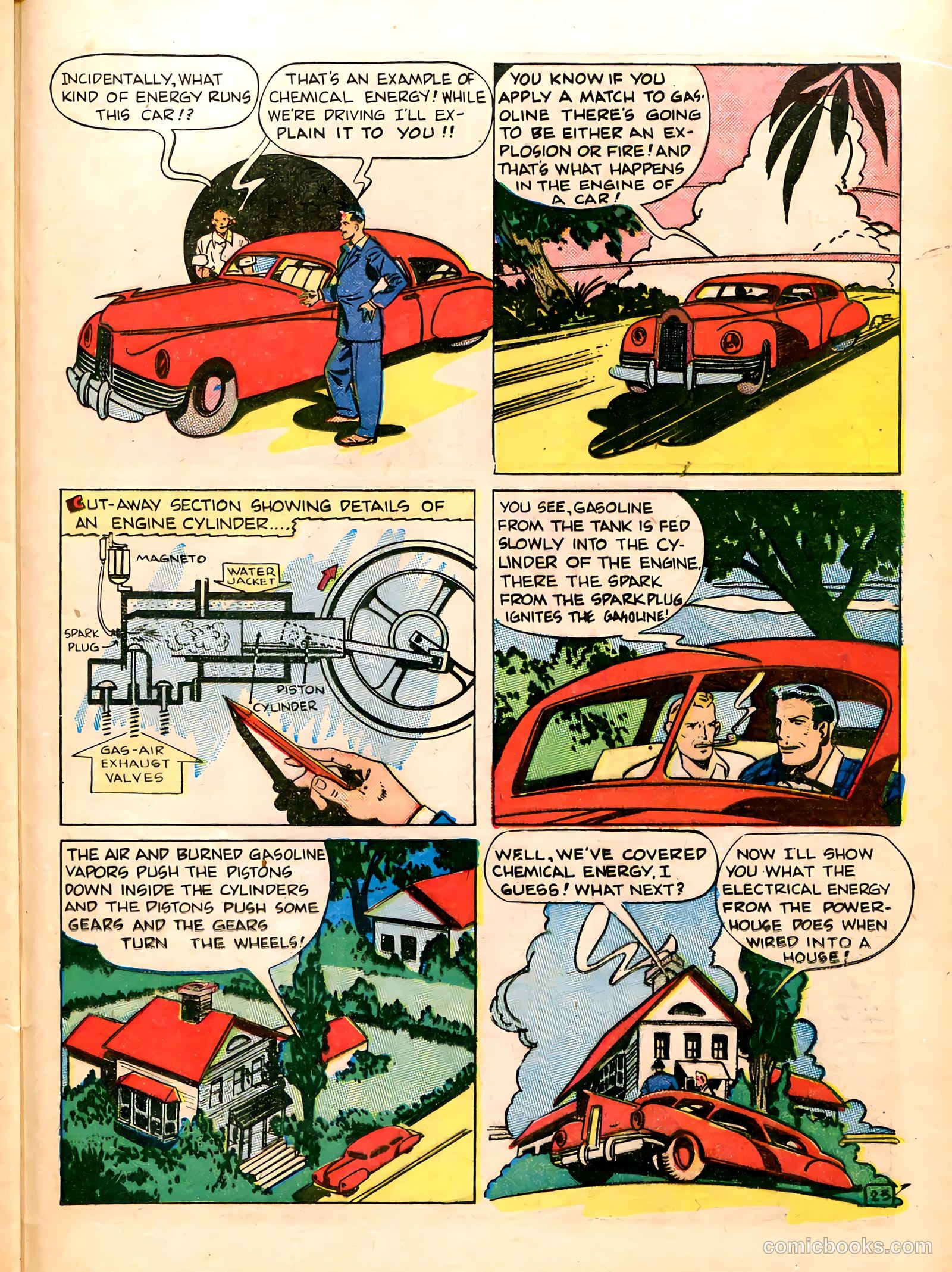
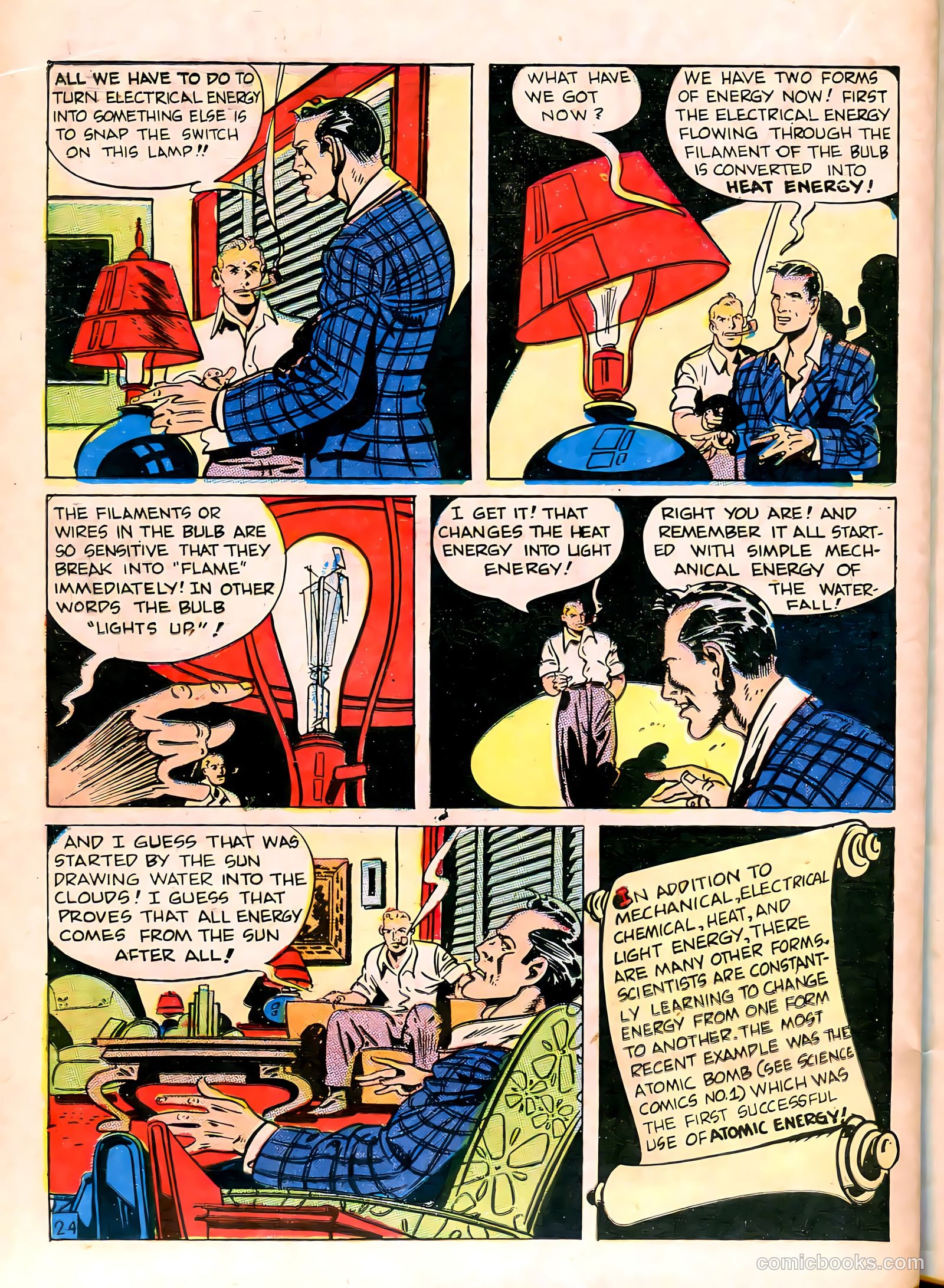
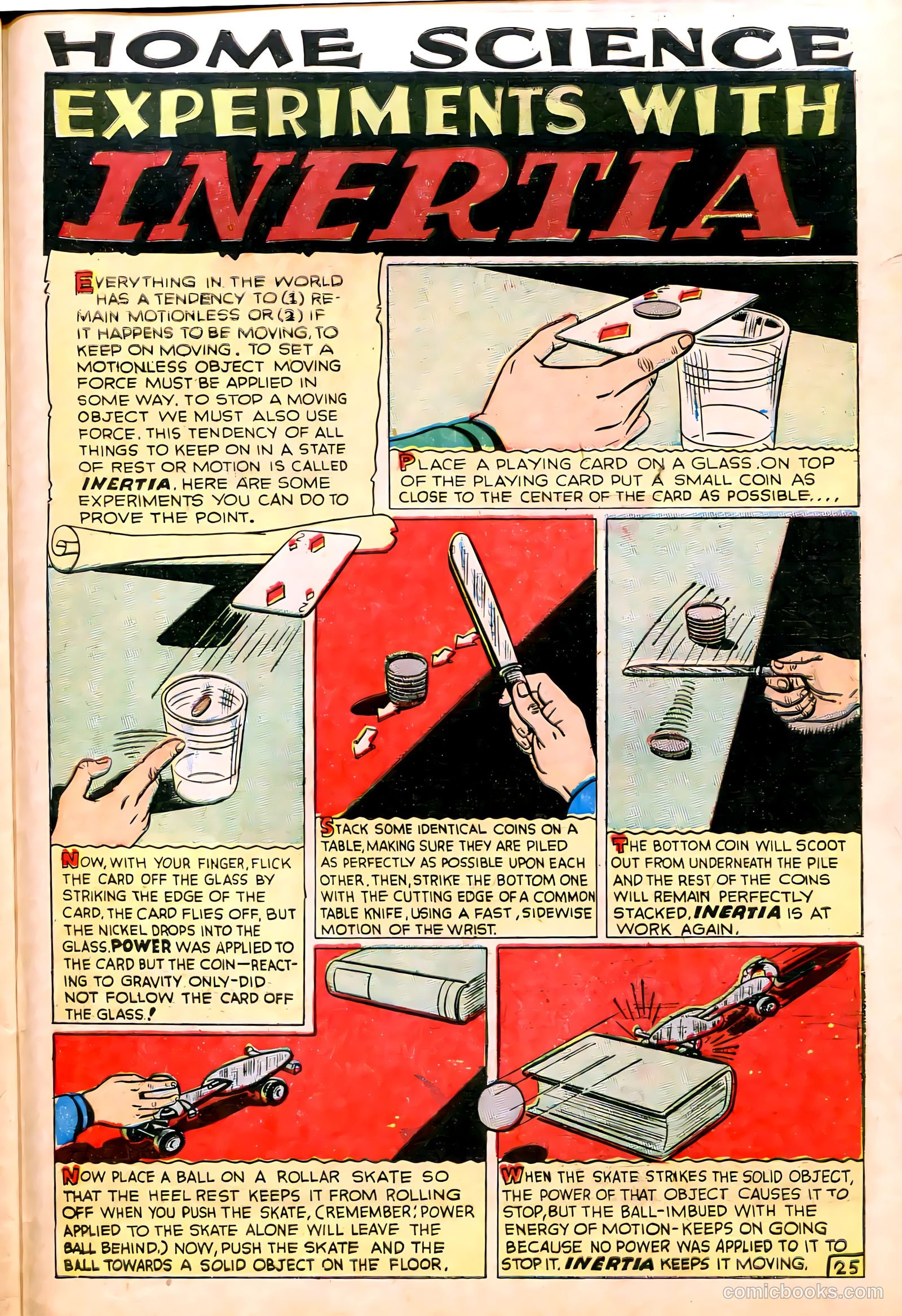
A young person explores the many forms of energy that power our world—from the sun's heat to mechanical, electrical, and chemical energy—as an enthusiastic guide explains how falling water drives dynamos, how gasoline combusts in car engines, and how electricity transforms into light in a simple lamp. Along the way, the story demonstrates the fundamental principle that all energy ultimately originates from the sun, and concludes with hands-on experiments showing inertia in action. It's a fascinating journey through the science that makes everything go.

Walter Reed: The Man Who Conquered Yellow Fever
6 pp · non-fiction; math & science

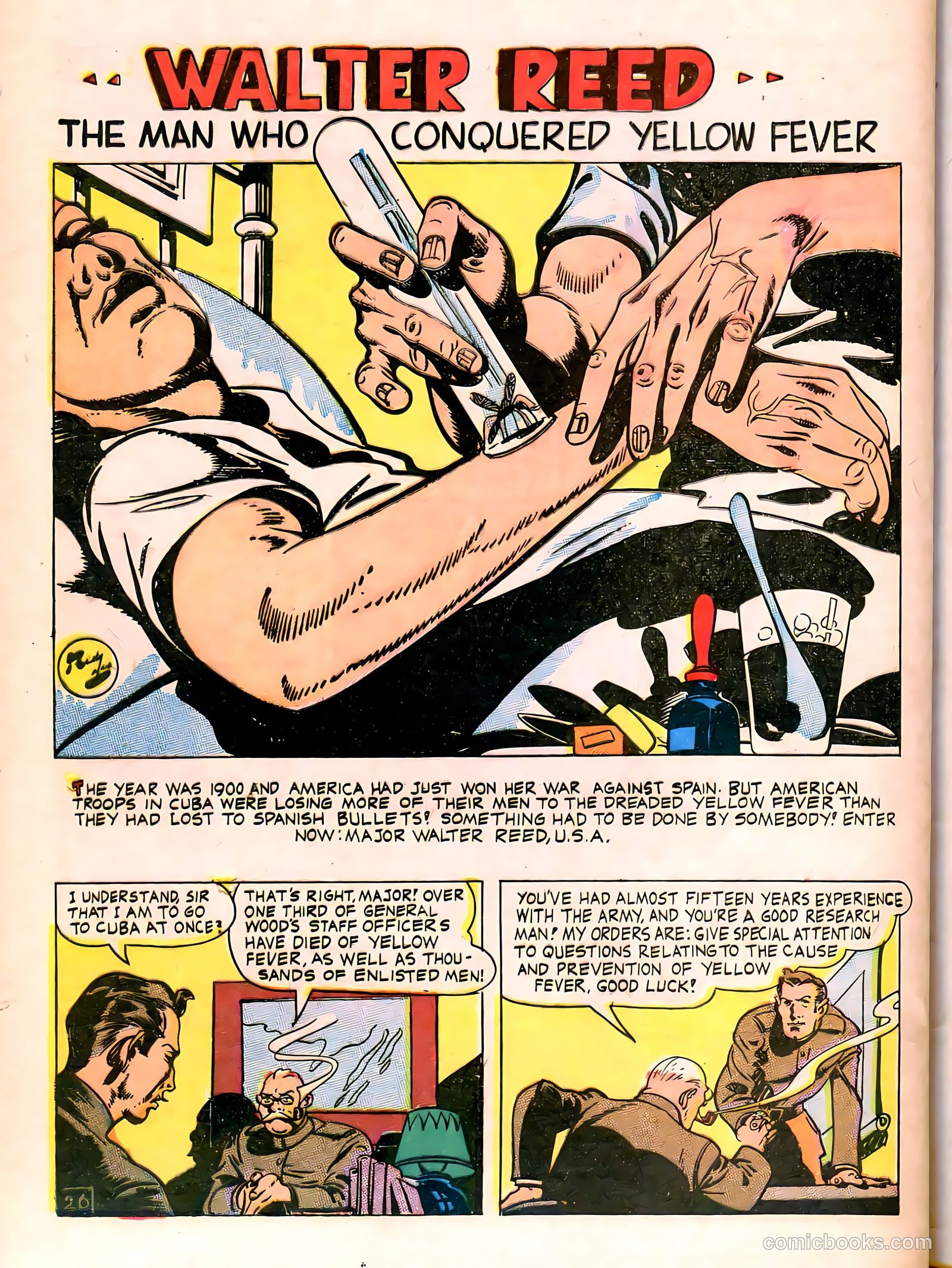
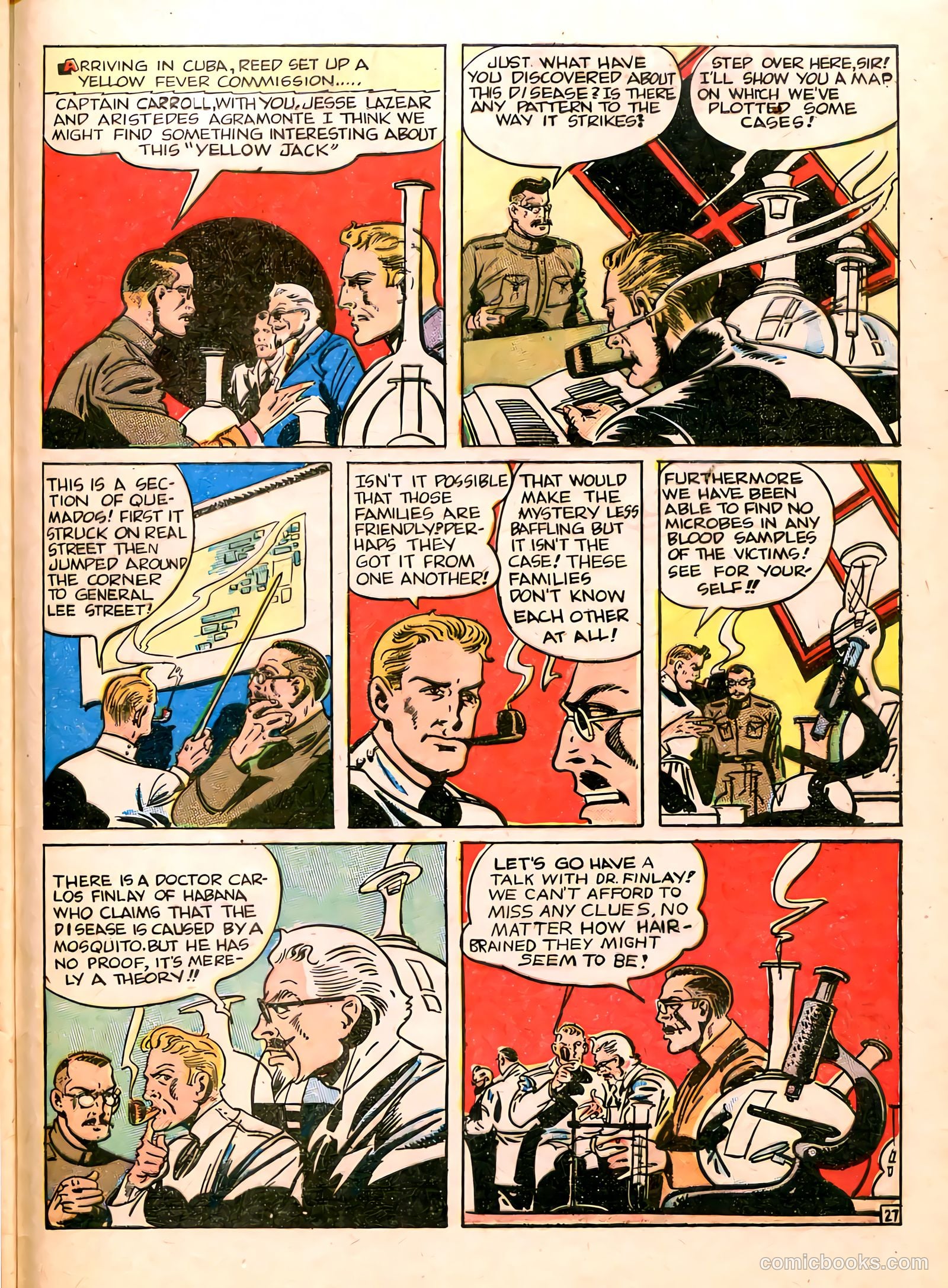
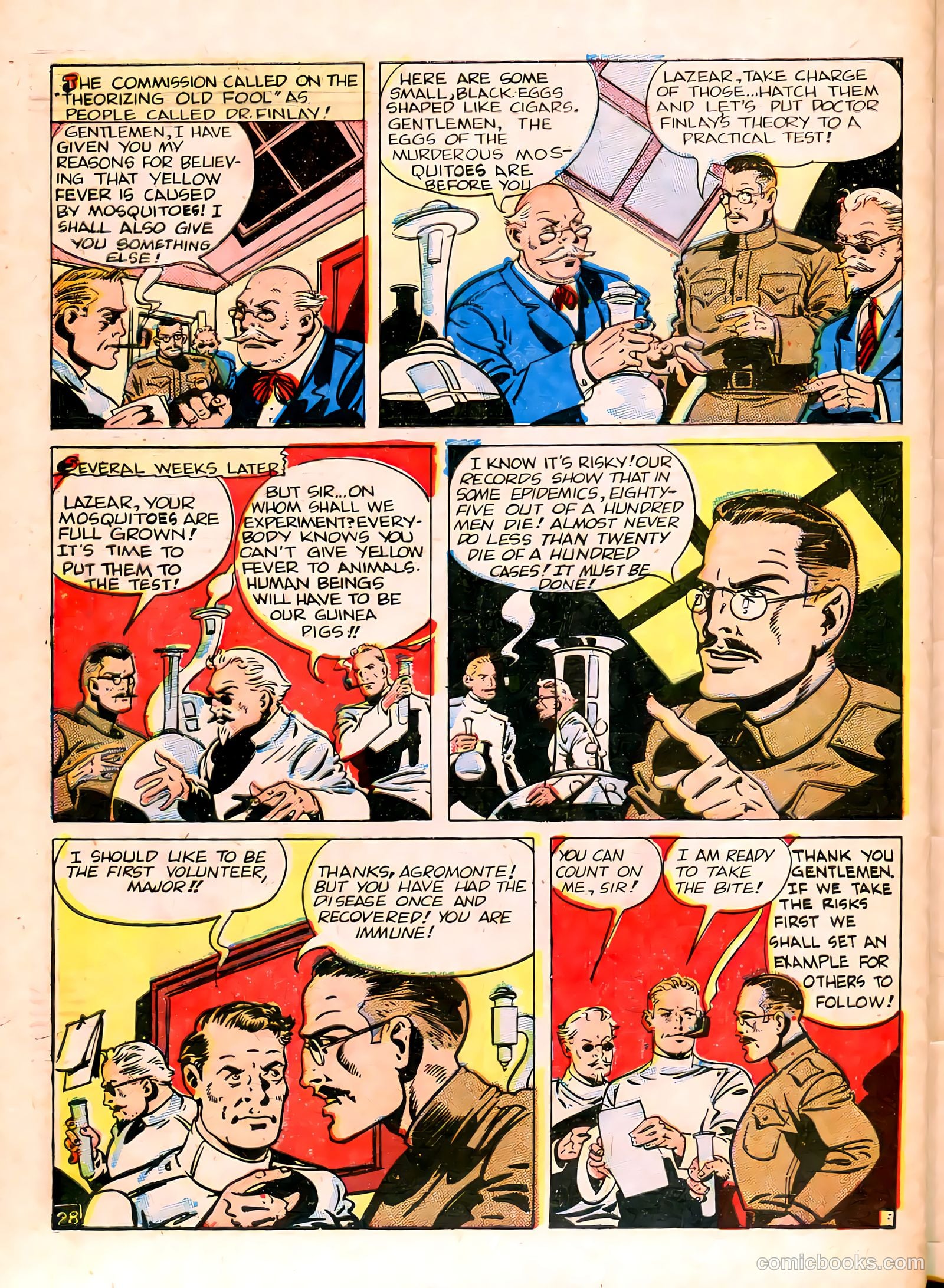
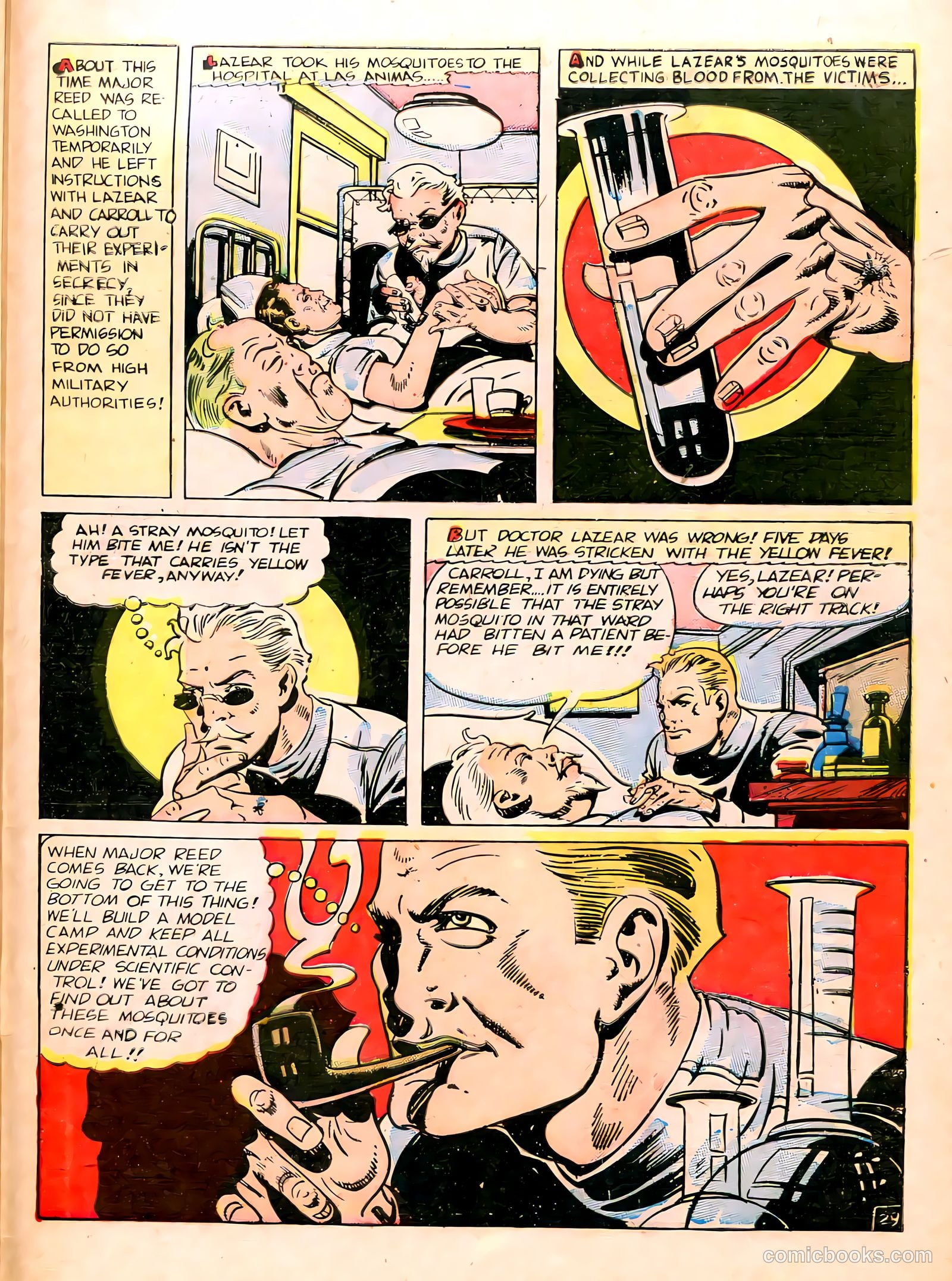
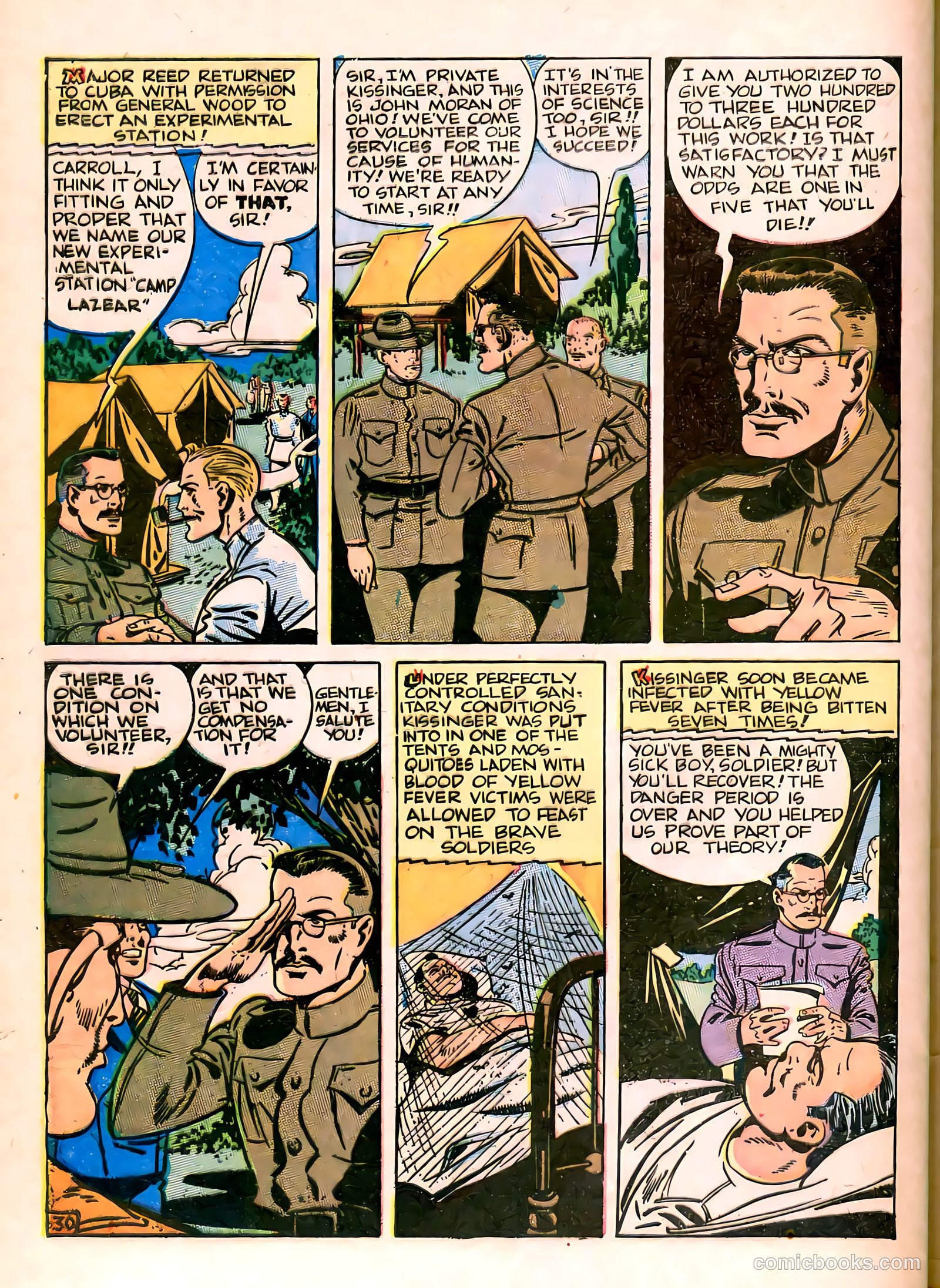
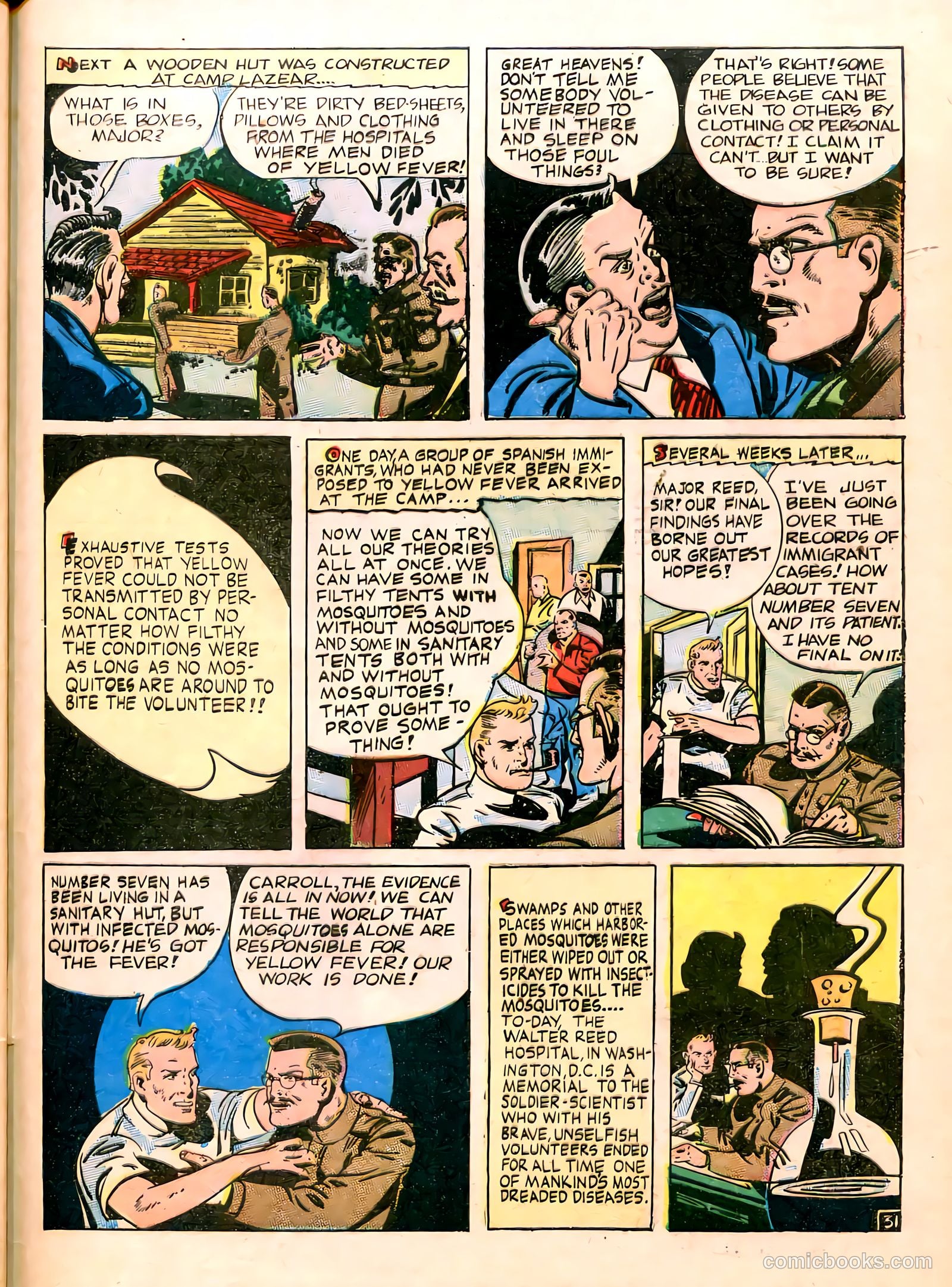
Walter Reed arrives in Cuba to lead a commission investigating yellow fever's mysterious spread, and when an obscure local doctor suggests mosquitoes might be the culprit, Reed and his team—including Captain Carroll and Jesse Lazear—decide to test the theory through dangerous human experiments. What unfolds is a gripping account of scientific courage and careful methodology as volunteers at Camp Lazear deliberately expose themselves to infected mosquitoes to settle once and for all whether the disease is truly transmitted by these insects. The results of their work would transform medicine and save countless lives.

Untitled story
1 pp · non-fiction; math & science

Restored edition © comicbooks.com. Our digitization, remastering, and presentation are our own work.

See something wrong with this issue? Report it.