
From First Issues to Fortune: How Debut Comics Define Market Values
The debut appearances of legendary heroes have turned ordinary back issues into blue-chip investments, blending nostalgia with serious collector demand.
From First Issues to Fortune: How Debut Comics Define Market Values
Walk into any comic shop or auction house and you'll quickly learn that market value often hinges on a single, magical moment: the first time a character stepped onto the page. Those debut issues don't just launch stories; they launch entire economies of desire among collectors who crave the thrill of owning a piece of history.
Golden Age Treasures That Built an Industry
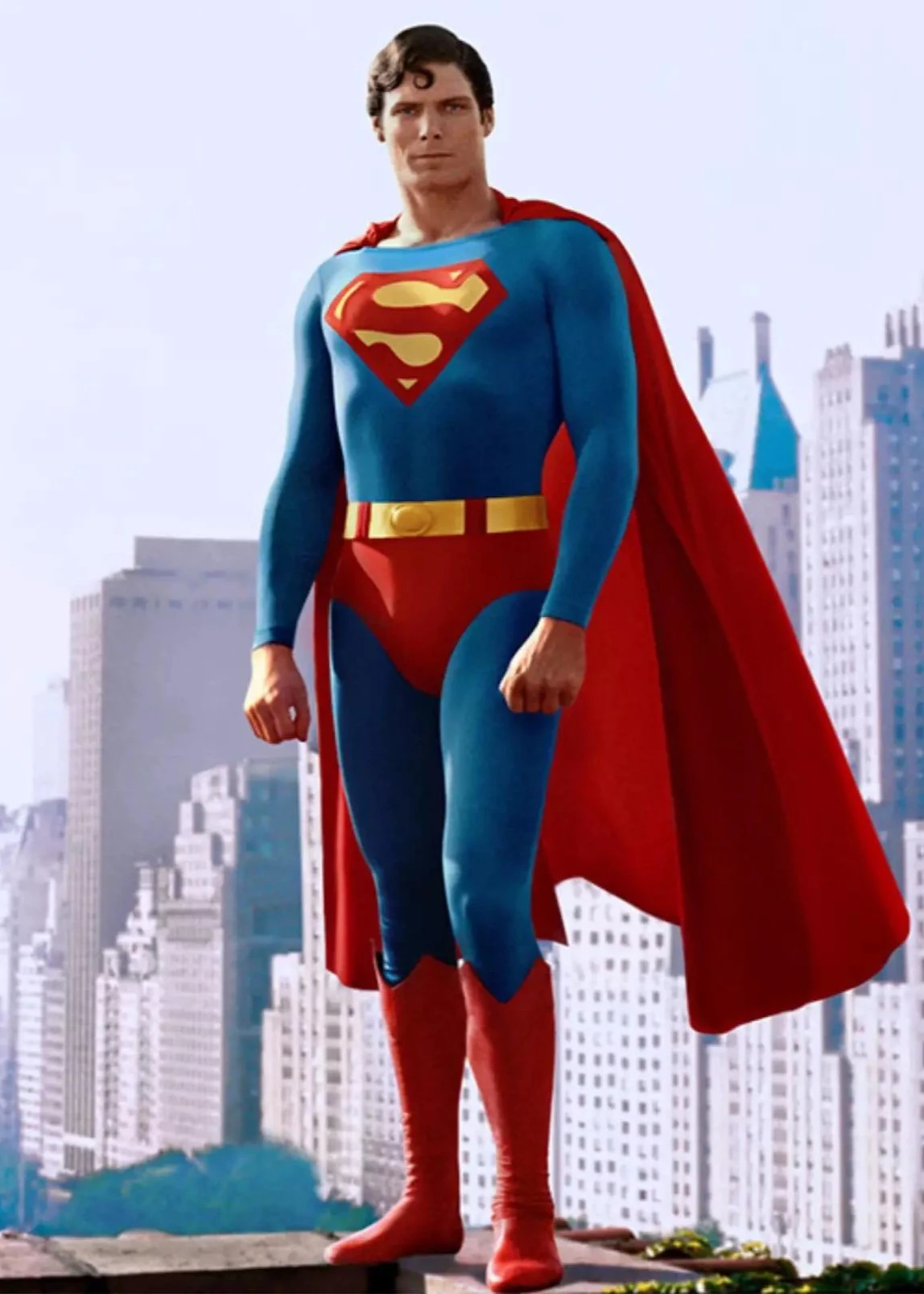
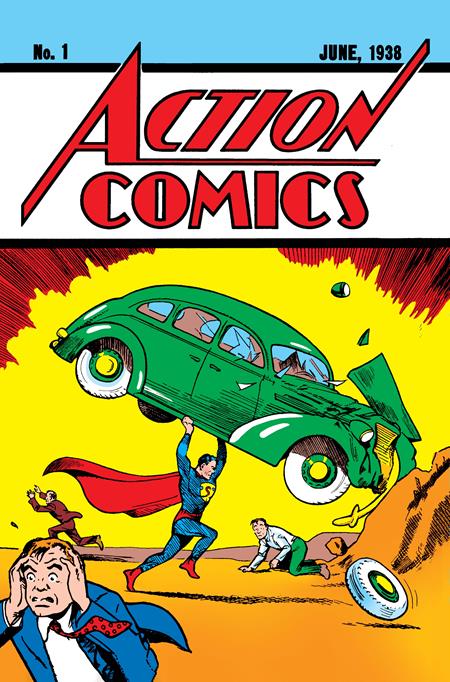
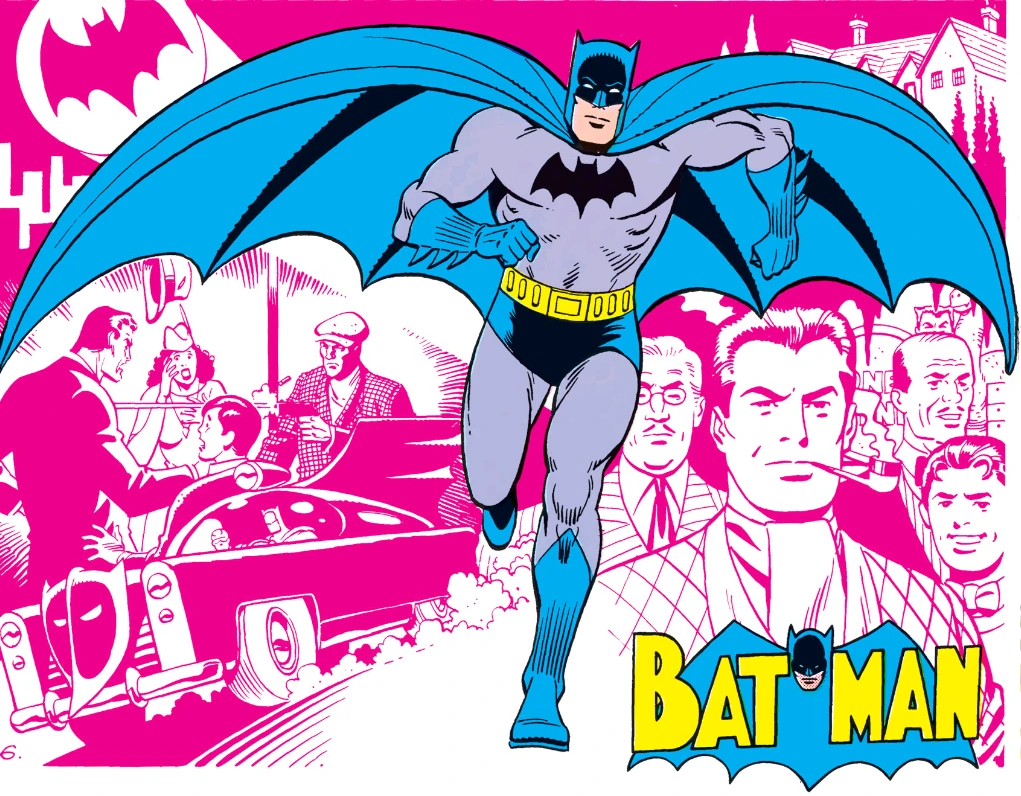
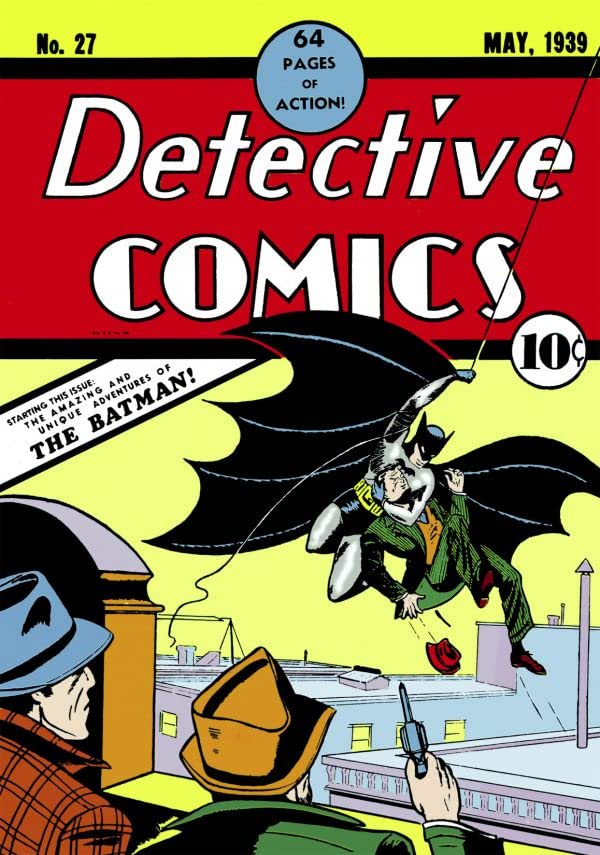
The earliest debuts set the standard for what makes a comic priceless. Superman's arrival in Action Comics #1 (1938) established the superhero template and remains the benchmark for stratospheric prices. Batman followed closely in Detective Comics #27 (1939), his shadowy persona instantly capturing imaginations and driving demand for Golden Age keys. The Flash burst onto the scene in Flash Comics #1 (1940), bringing speedster energy that still resonates with fans today. Captain America debuted in Captain America Comics #1 (1941) as a wartime icon, while Wonder Woman joined the pantheon in All-Star Comics #8 (1941), adding powerful representation that collectors continue to celebrate.
Silver Age Sparks That Ignited Modern Collecting
A new wave of characters in the late 1950s and early 1960s refreshed the market with fresh energy and broader appeal. Green Lantern first appeared in Showcase #22 (1959), launching the ring-slinging hero who helped kick off the Silver Age revival. Spider-Man swung into Amazing Fantasy #15 (1962) and instantly became a relatable everyman whose debut commands serious attention. That same year saw Hulk smash his way into The Incredible Hulk #1 (1962) and Thor arrive in Journey into Mystery #83 (1962), both proving that power and myth could translate into long-term value. Iron Man suited up in Tales of Suspense #39 (1963) and Doctor Strange cast his first spells in Strange Tales #110 (1963), rounding out a roster whose first appearances remain cornerstones of any serious collection.
Later Arrivals That Prove Value Can Grow Over Time
Even characters who arrived a bit later have carved out impressive market niches. Wolverine made his memorable entrance in The Incredible Hulk #181 (1974), his claws and attitude turning what might have been a supporting role into one of the most sought-after back issues in modern comics. These stories remind collectors that timing isn't everything; personality and lasting popularity matter just as much.
Whether you're hunting for a single crown jewel or building a diversified portfolio of keys, the lesson stays the same: first appearances aren't just footnotes in comic history. They're the moments that keep the market humming with excitement, speculation, and genuine affection for the characters who started it all.
A ComicBooks.com feature, written from our catalog of 2.3M+ issues — every name links to its page. Ask the shop assistant →