
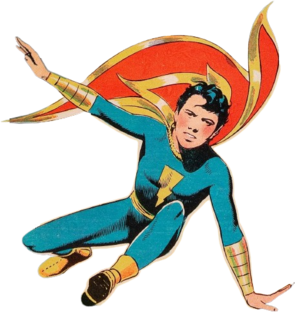
Captain Marvel Jr.
Freddy Freeman was a young newsboy gravely injured by the villainous Captain Nazi. Billy Batson brought him before the wizard Shazam, who granted Freddy the power to transform into the superhero Captain Marvel Jr. by speaking the name "Captain Marvel."
Few Golden Age heroes made as striking an entrance as Captain Marvel Jr., who burst onto the scene in Master Comics #27 in 1942, brought to life by the legendary Mac Raboy, whose dynamic, cinematic artwork gave the character an immediacy that leapt off the page. A Fawcett Comics original, he's part of one of the most beloved families in comic book history, regularly sharing adventures with Captain Marvel, Mary Marvel, and Billy and Mary Batson — the heart of that classic Fawcett universe. With five key issues to his name, his own eponymous series, appearances in World's Finest Comics, and a catalog presence stretching an extraordinary eight decades from 1942 all the way to 2024, Captain Marvel Jr. is a genuine Golden Age treasure with staying power that very few characters can match. If you're exploring the roots of the superhero genre, this is absolutely a character worth knowing.
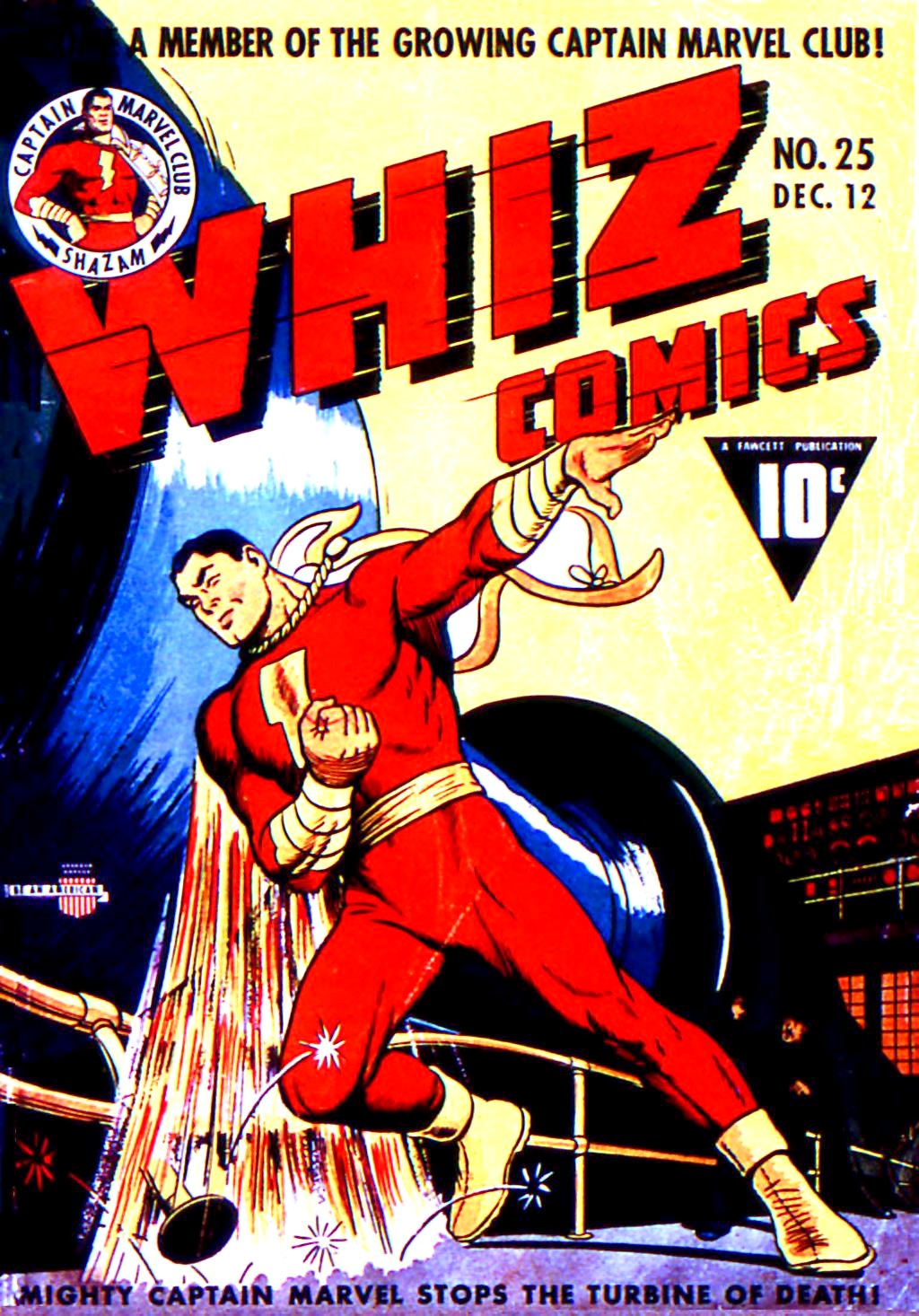
Trivia
- Unlike most Golden Age spin-offs, Captain Marvel Jr. bucked the formula entirely — when Freddy Freeman spoke the magic words, he transformed not into a grown man but retained his teenage form, a deliberate departure from the adult-powered template set by the original Captain Marvel.en.wikipedia.org
- The character carried one of the most delicious ironies in superhero publishing: to trigger his transformation, Freddy had to shout 'Captain Marvel,' meaning the hero was constitutionally incapable of ever invoking his own codename.en.wikipedia.org
- Captain Marvel Jr.'s cultural reach extended well beyond the four-color page — Elvis Presley was famously influenced by the character's distinctive hairstyle and lightning-bolt aesthetic, turning a Golden Age spin-off into an unlikely style template for one of rock and roll's most iconic looks.en.wikipedia.org
- Bud Thompson has drawn more of Captain Marvel Jr.'s comics than any other artist in our catalog — 29 issues.
Top series
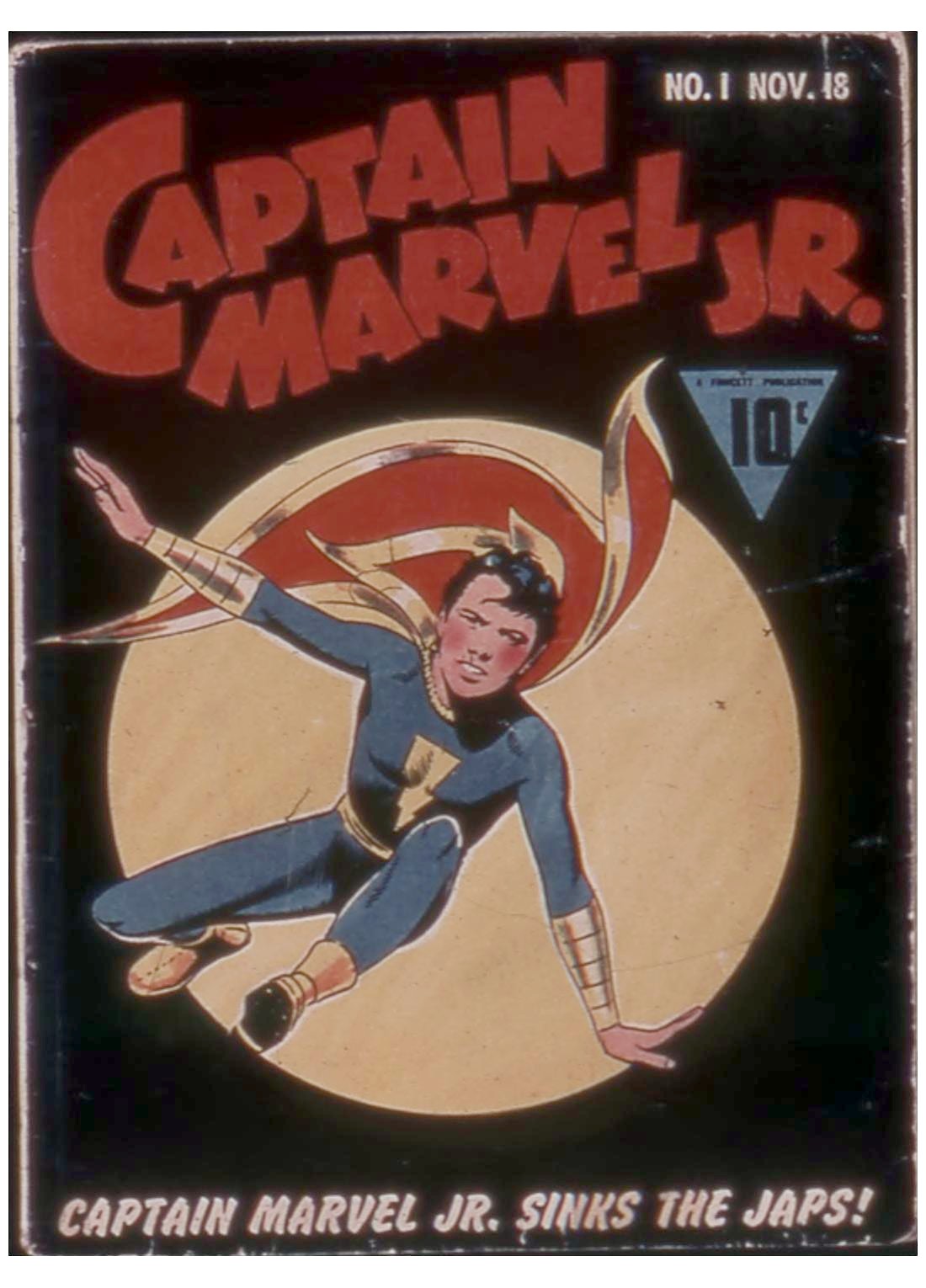
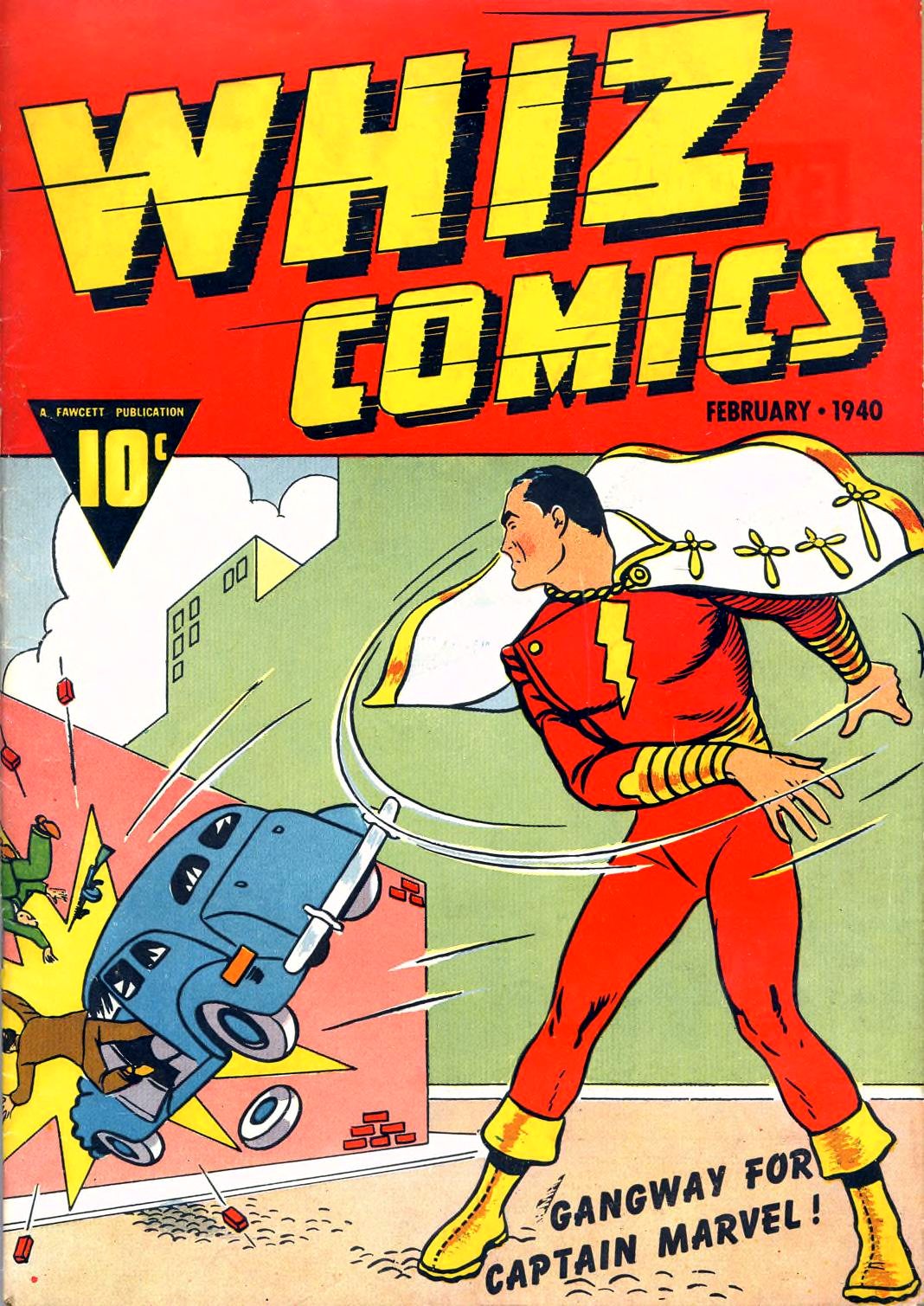
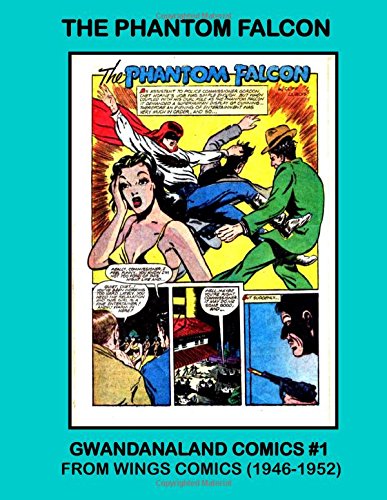

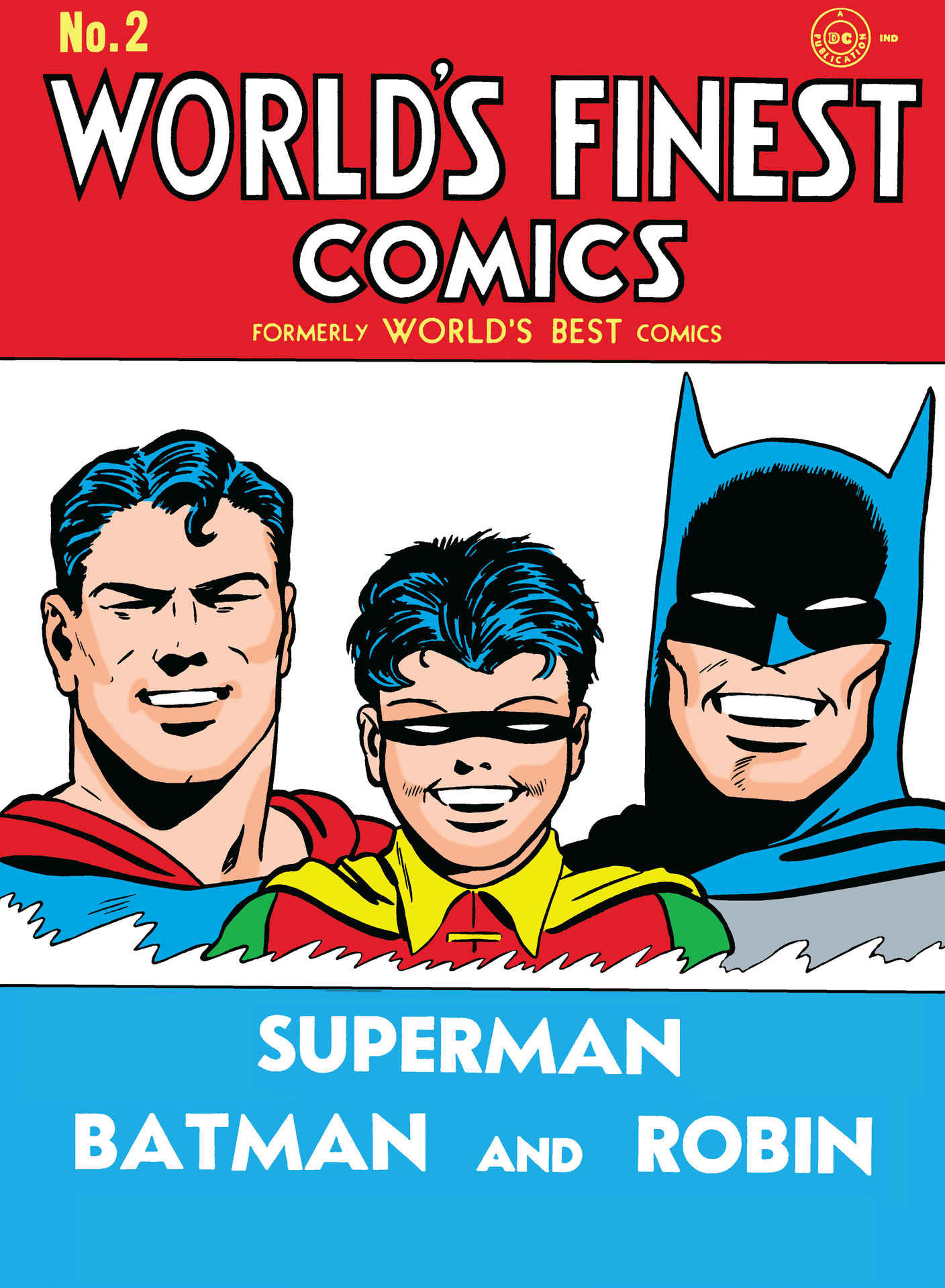
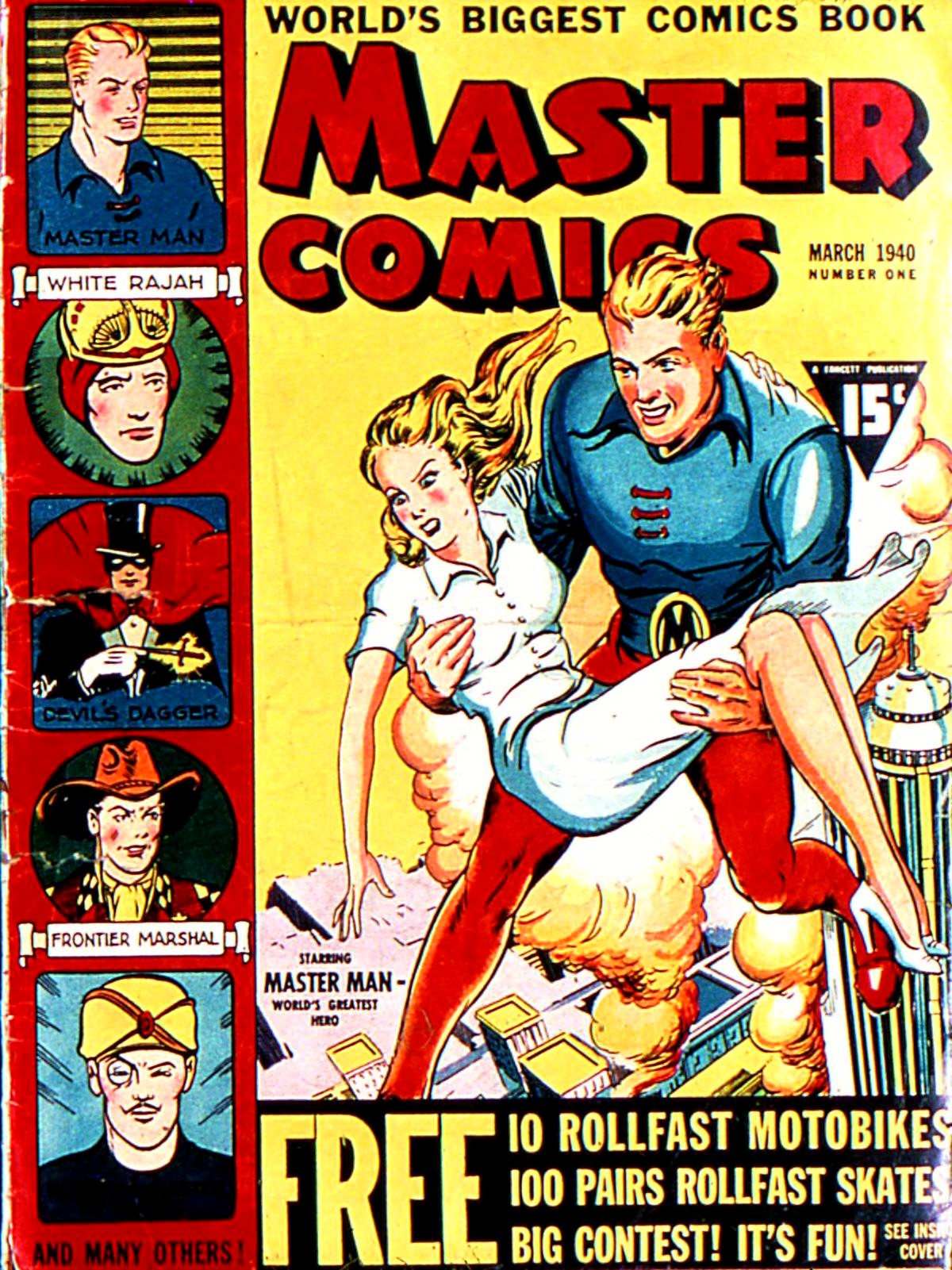
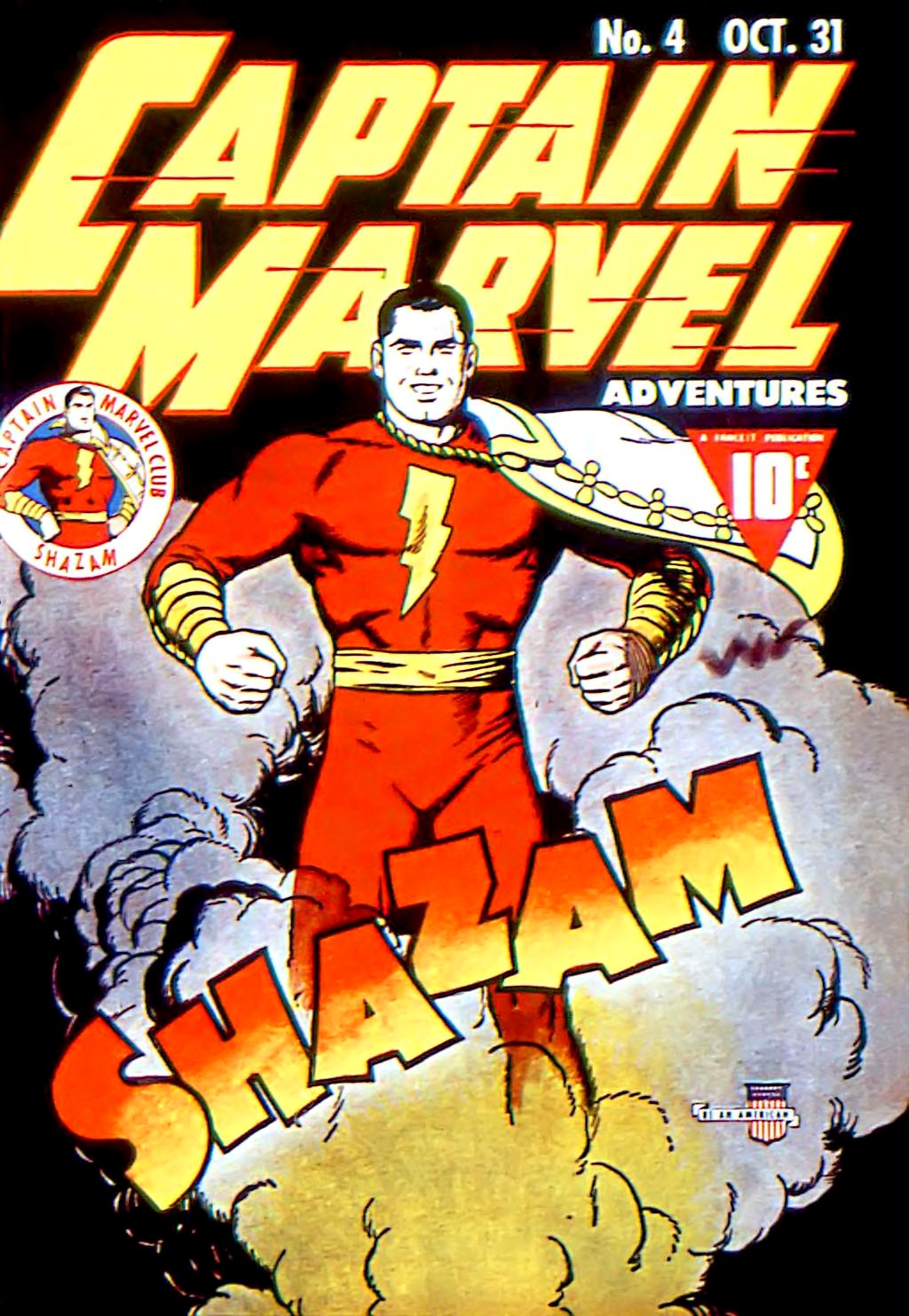
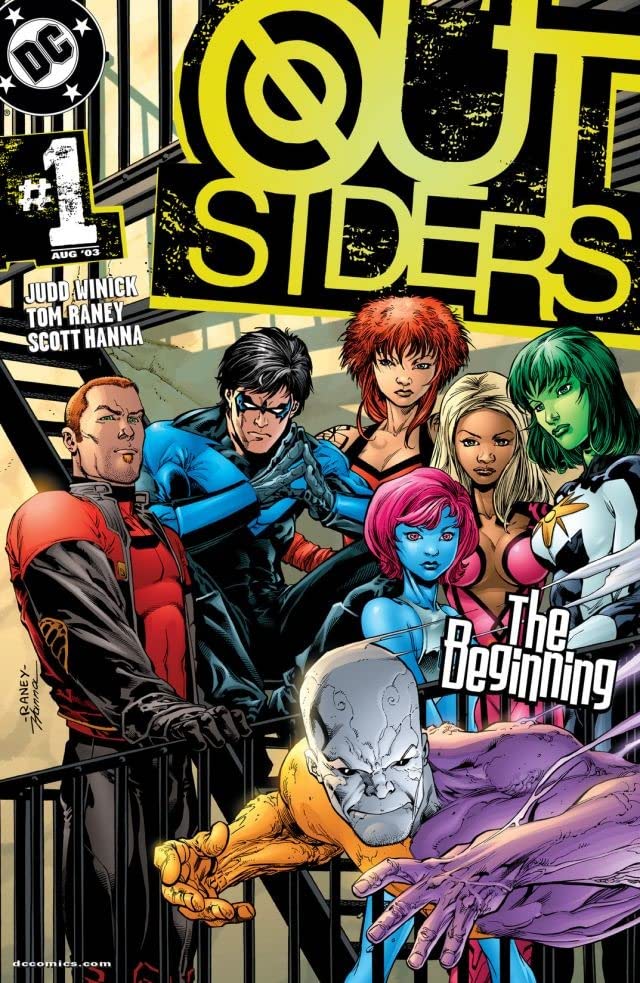
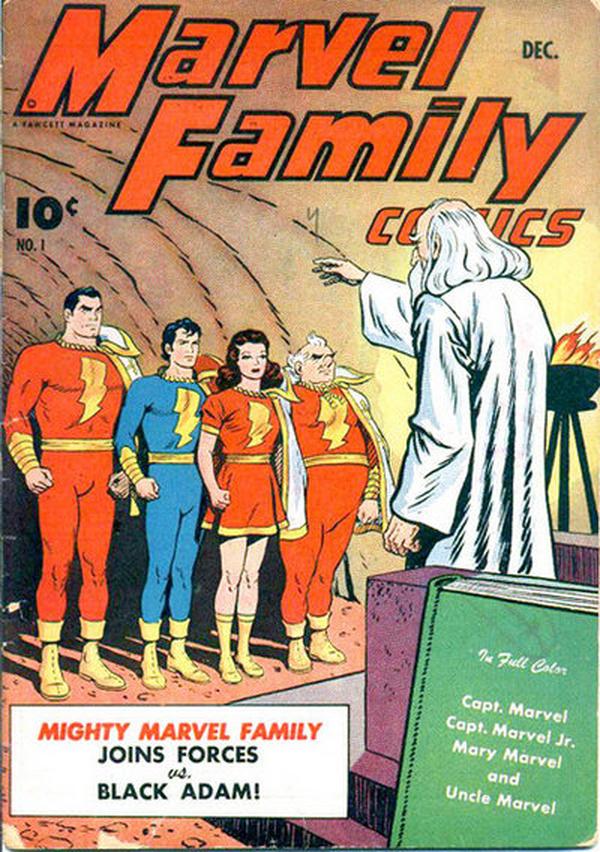
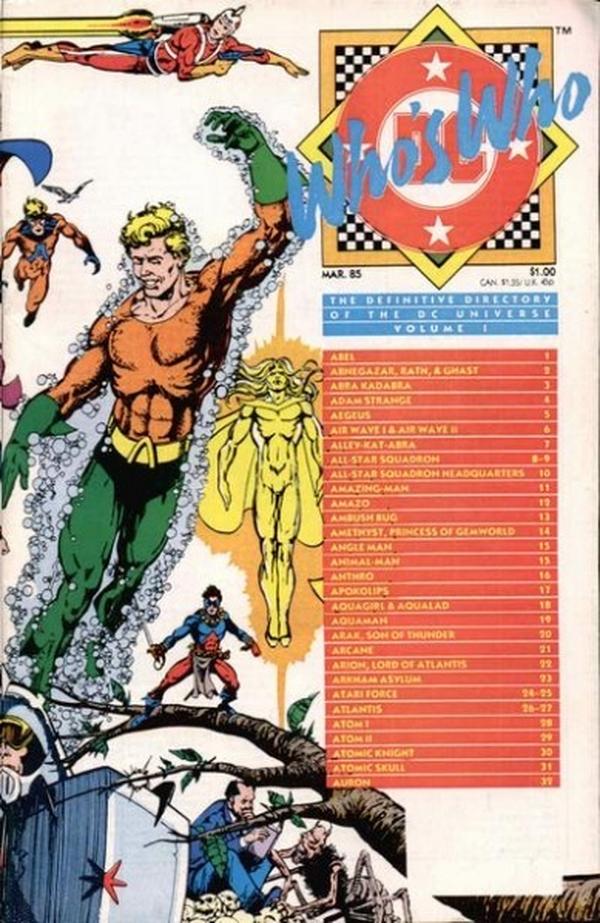
Covers through the years — 1942–2019
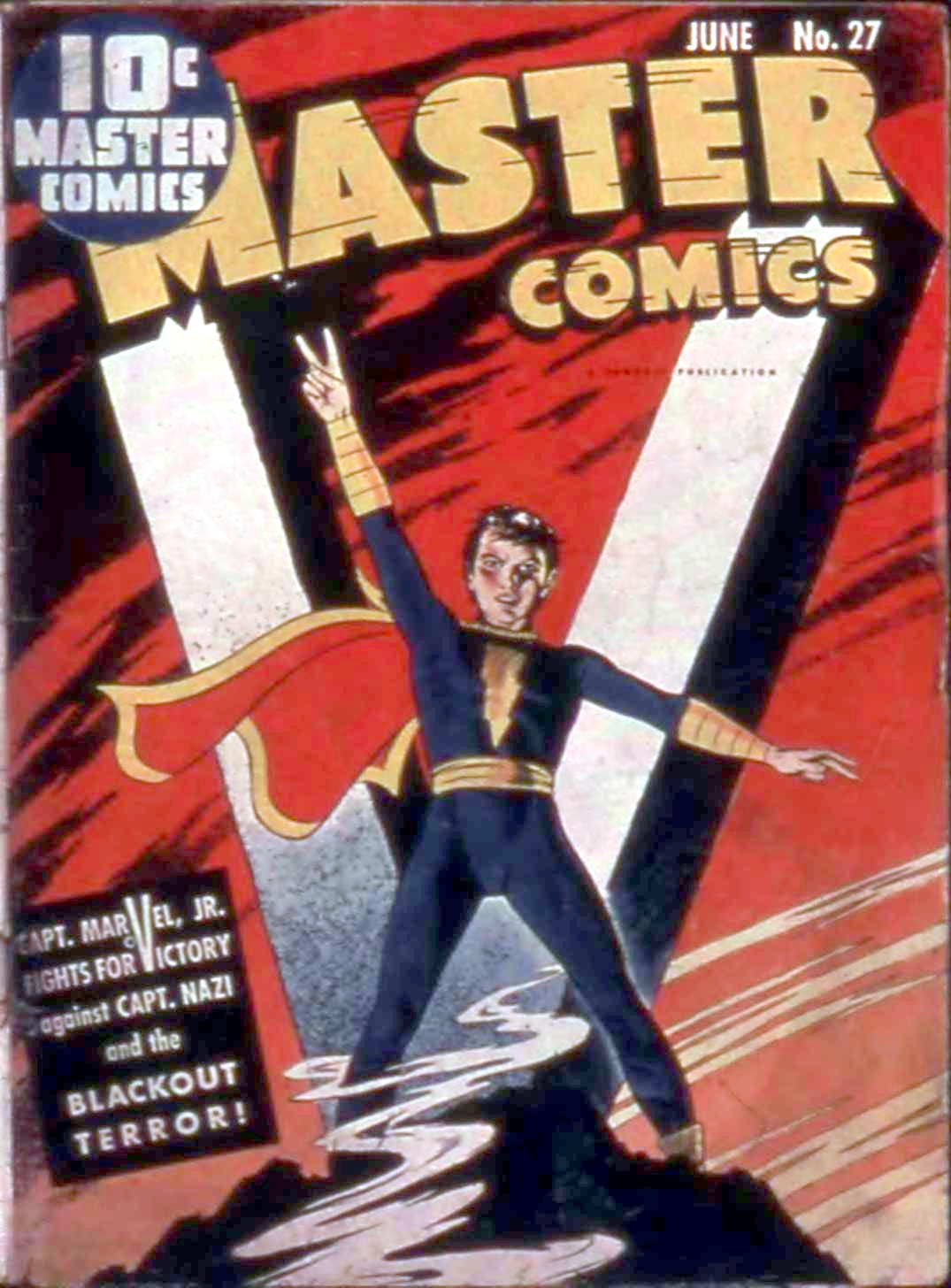 ★ 1942
 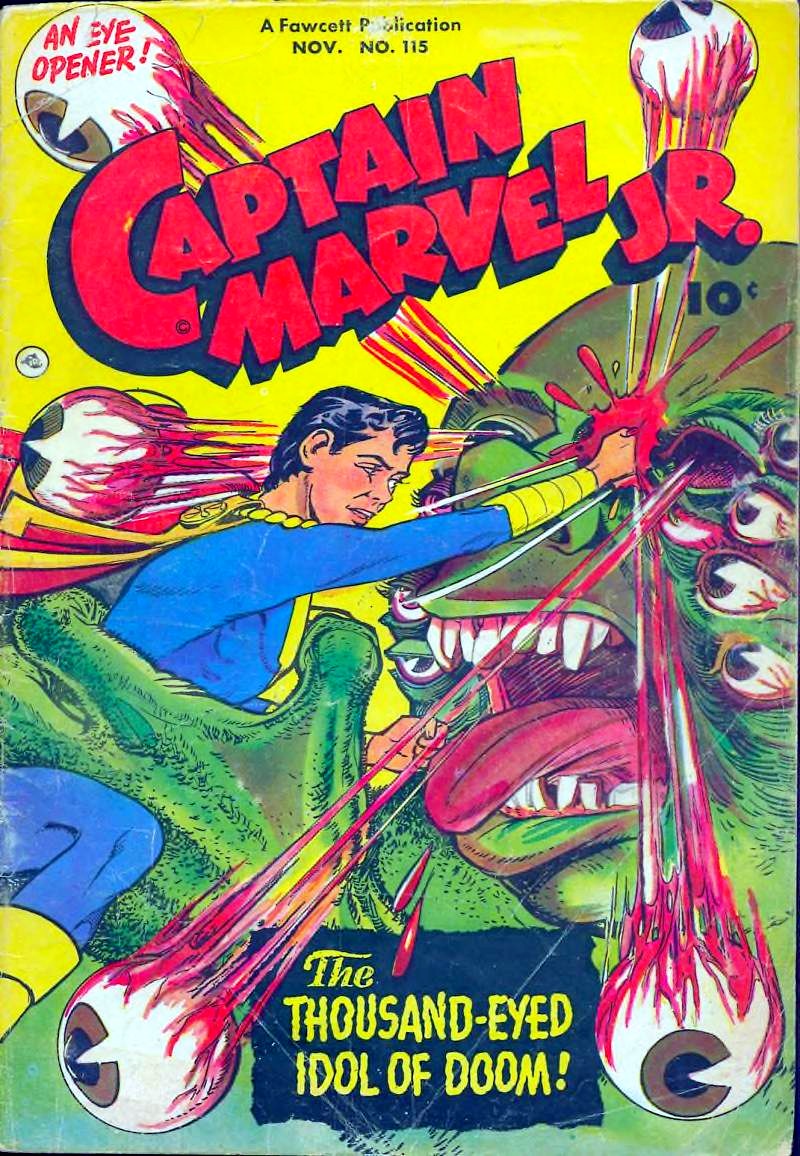 ★ 1952
 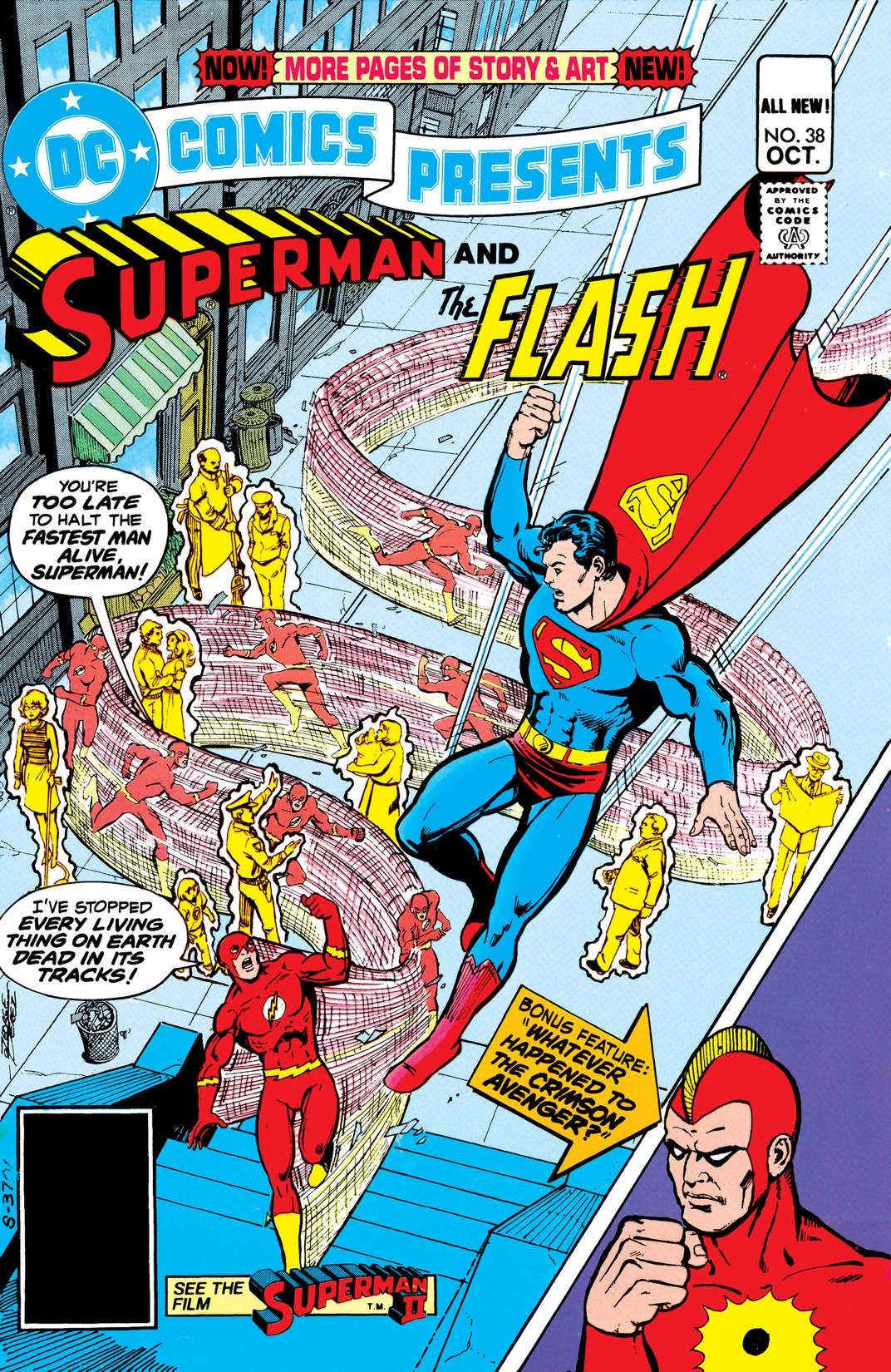 ★ 1981
 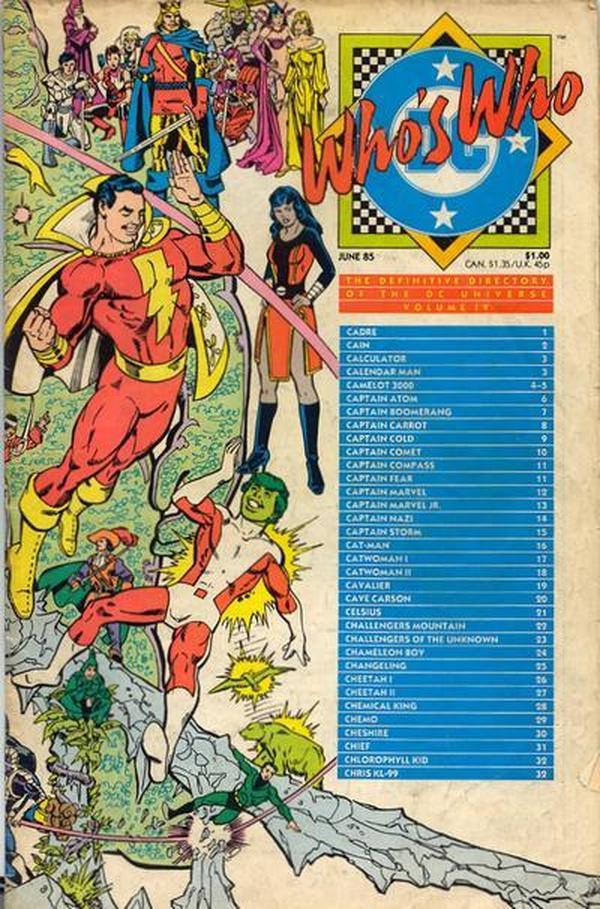 ★ 1985
 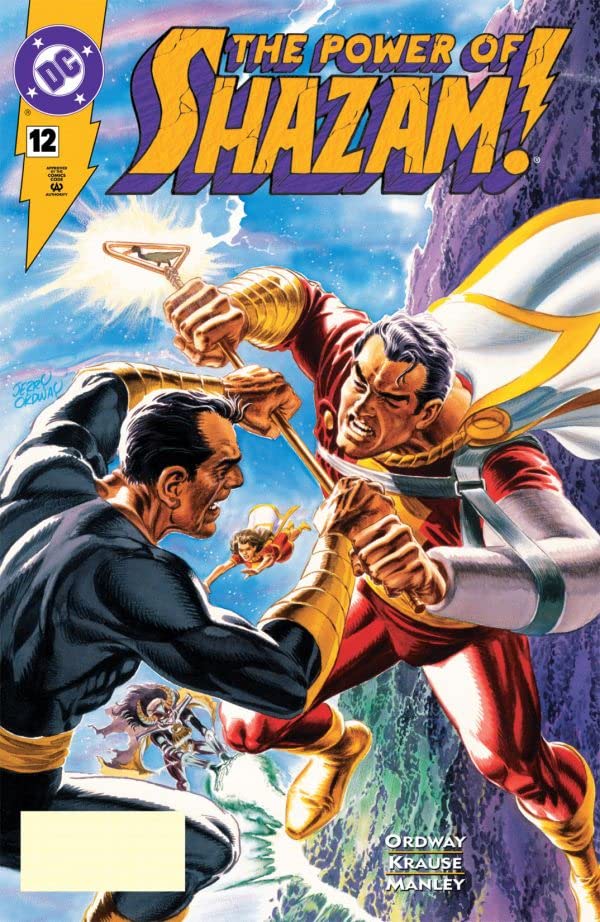 1996
1996 ![Bizarro Comics #[nn]](https://img.comicbooks.com/covers/isbndb/1563897792.jpg) 2001
2001 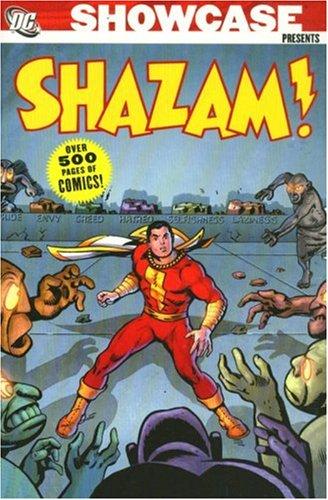 2007
2007 ![Solo: The Deluxe Edition #[nn]](https://img.comicbooks.com/covers/openlibrary/9781401238896.jpg) 2013
2013 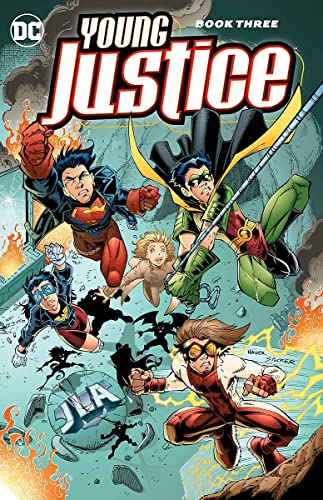 2019
2019